


Beet, Yellow - microgreens seeds
✨
- Regular price
-
39,00 zł - Regular price
-
- Sale price
-
39,00 zł
Couldn't load pickup availability
Sunshine in a tray — yellow beet microgreens bring golden colour, earthy-sweet flavour, and rare betaxanthin antioxidants to every plate.
 Grows best in soil or coco coir; rewards patience with a full, upright tray of vivid golden stems — medium difficulty, ideal for growers ready to level up.
 Ready to harvest in around 18–20 days; pre-soaking seeds overnight gives germination a meaningful head-start.
 Rich in betaxanthins, dietary nitrates, folate, and vitamins A, C & K — supports healthy circulation, blood pressure, and antioxidant defence.
 Mild, earthy-sweet flavour with a satisfying crunch — perfect raw on grain bowls, beetroot tartare, scrambled eggs, or as a luminous garnish on any plate.
100% satisfaction guarantee
Your satisfaction is our top priority.
If something's not right, we’ll make it right — whether that means replacing your item or giving you a full refund. No fuss, no hassle.
SHIPPING INFORMATION
Shipping cost is based on weight and destination. Just add products to your cart and use the Shipping Calculator to see the shipping price.

Details
Sunshine in a tray — yellow beet microgreens bring golden colour, earthy-sweet flavour, and rare betaxanthin antioxidants to every plate.
Grows best in soil or coco coir; rewards patience with a full, upright tray of vivid golden stems — medium difficulty, ideal for growers ready to level up.
Ready to harvest in around 18–20 days; pre-soaking seeds overnight gives germination a meaningful head-start.
Rich in betaxanthins, dietary nitrates, folate, and vitamins A, C & K — supports healthy circulation, blood pressure, and antioxidant defence.
Mild, earthy-sweet flavour with a satisfying crunch — perfect raw on grain bowls, beetroot tartare, scrambled eggs, or as a luminous garnish on any plate.
FULL SPECIFICATION TABLE
General Specification
| Common Name | Yellow Beet microgreens |
| Botanical Name | Beta vulgaris subsp. vulgaris (Conditiva Group) |
| Seed Type | Conventional, untreated, non-GMO |
| Stem/Leaf Color | Golden-yellow stems, green leaves with yellow mid-vein |
| Flavor & Texture | Mild, earthy-sweet; crisp, juicy stems |
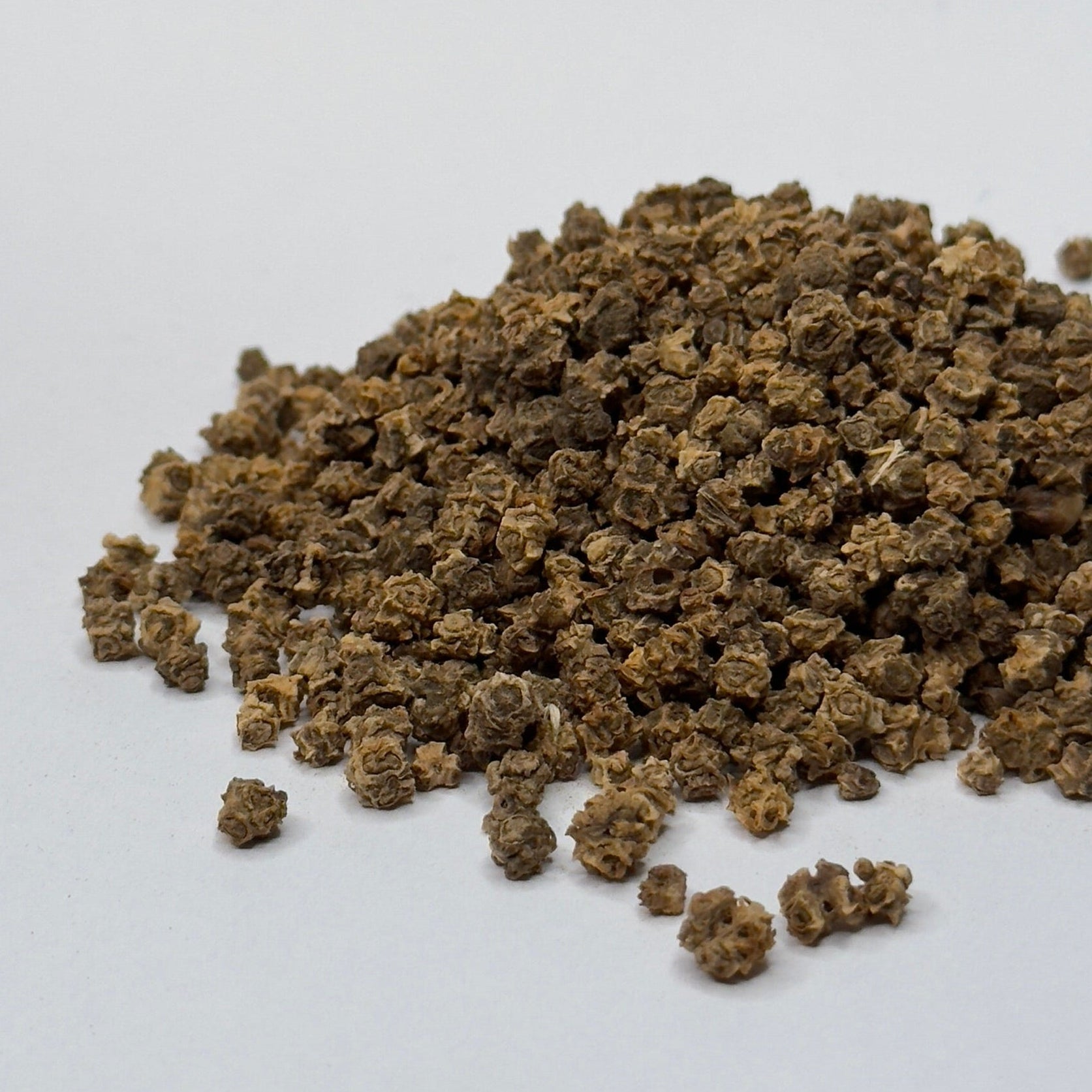
| Seed Count per 10g | ~600–650 seeds (≈60–65 seeds/gram) |
Cultivation Data
| Difficulty | Medium (slower, uneven germination; benefits from pre-soak and good moisture control) |
| Preferred Medium | Soil or coco coir; soil preferred to support deep root development |
| Seeding Density (1020 tray) | ~23 g per 1020 tray (25×50 cm) |
| Seeding Density (10x10 cm) | ~1.85 g per 10×10 cm |
| Expected Yield | ~8–12× seed weight |
| Soaking | Yes — pre-soak 6–8 h in room-temperature water; drain and rinse before sowing |
| Blackout Days | 6–7 days under weighted cover |
| Watering, pH & Temp | Bottom-water to keep medium evenly moist. Target pH 6.0–6.2. Temperature 18–22 °C; slightly cooler after germination improves golden pigmentation. Maintain good airflow. |
| Sprouting Time | 6–8 days |
| Harvest Time | 18–20 days from sowing (at cotyledon stage or just as first true leaf emerges) |
Health & Nutrition
ABOUT
Yellow beet microgreens are the quieter, golden cousin of the dramatic red beet — and they are all the more striking for it. At harvest, slender stems glow a warm amber-yellow beneath bright green cotyledons, making a tray look like a small sunrise. The flavour is gently earthy and sweet, closer to young chard than to soil, with a juicy snap when you bite into the stem. Unlike red varieties, yellow beet microgreens carry betaxanthins — the rarer yellow-pigment class of betalains — making them a visually and biochemically distinct choice for kitchens that take both aesthetics and nutrition seriously. Scatter them over a soft-boiled egg, fold them into a goat's cheese crostini, or finish a summer soup with a golden crown — then grow another tray immediately, because the colour alone will sell them.
GROWING INSTRUCTIONS
Why Choose Deliseeds?
-
Untreated & Non-GMO, Conventional or Organic Safe, high-germination seeds. We also offer wide selection of certified organic seeds.
-
Fast EU Shipping
Orders dispatched within 24h. Delivery times 1-5 working days.
-
100% Satisfaction Guarantee
If you're not satisfied - you'll get a replacement or a refund.
-
Expert Support
We mean it! You get our personnal support to help you succeed.