

Coriandrum sativum

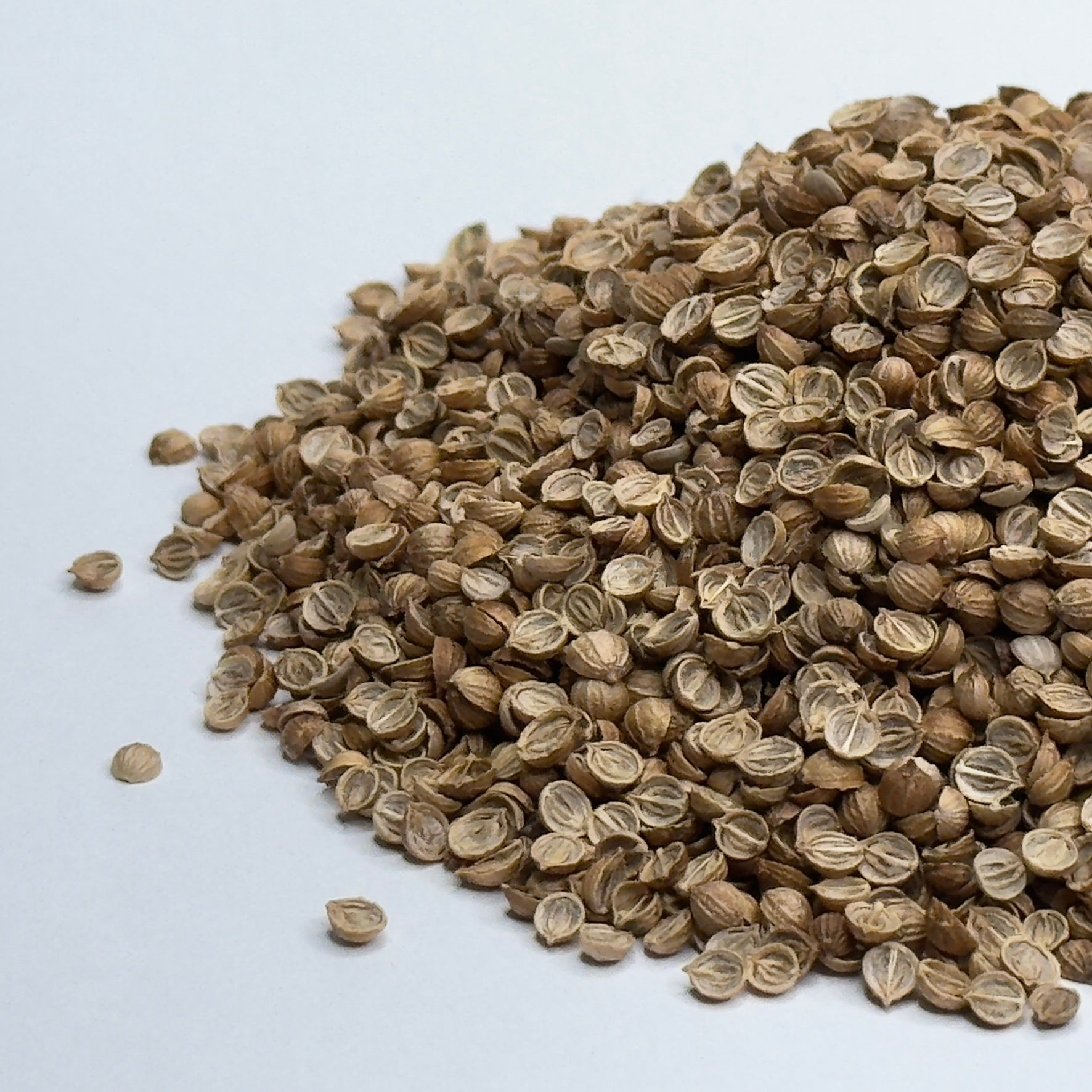
Coriander Split (Cilantro) - microgreens seeds

✨Split‑seed cilantro for faster, even stands - same bold aroma, cleaner, quicker harvest.

Priority dispatch within 2 working days · Full tracking included

Regular price
17,00 zł
Regular price
Sale price
17,00 zł
Tax included.

    Germination: ~5–6 days to sprout; ready to harvest in about 10–14 days. No soaking needed (seeds are pre-split for easy, even germination).

    Flavor: Bold, citrusy cilantro flavor with a sweet aroma – a fresh, fragrant microgreen that packs the classic coriander taste.

    Nutrition: Rich in vitamins A, C, and K, plus antioxidants and minerals like potassium & calcium. Contains 2× the seed halves (“monogerm”) for higher germination and yield.

    100% satisfaction guarantee

    Your satisfaction is our top priority.

    If something's not right, we’ll make it right — whether that means replacing your item or giving you a full refund. No fuss, no hassle.

    SHIPPING INFORMATION

    Shipping cost is based on weight and destination. Just add products to your cart and use the Shipping Calculator to see the shipping price.
    Coriander Split (Cilantro) - microgreens seeds

    Details

    FULL SPECIFICATION TABLE

    General information

    Common Name Cilantro Split microgreens (split seed)
    Botanical Name Coriandrum sativum
    Seed Type Conventional, untreated, non-GMO
    Stem/Leaf Color Uniform green cotyledons on sturdy pale stems; fast to stand up.
    Flavor & Texture Fresh cilantro aroma; crisp and juicy.
    Seed Count per 10g ≈2,800–3,200 pieces (≈280–320/g) - split seed.

    Cultivation data

    Difficulty Medium (faster than whole, but still slower than brassicas).
    Preferred Medium Soil or coco; fine surface, good contact.
    Seeding Density (1020 tray) 35 g
    Seeding Density (10x10 cm) 2.71 g
    Expected Yield ≈360 g per 1020 tray (9×–12×).
    Soaking No (split seed).
    Blackout Days 3-4 days.
    Watering, pH & Temp Keep medium evenly moist (prefer bottom watering). pH 6.0–6.5. Temperature 18–22 °C. Ensure good airflow after germination.
    Sprouting Time 3–4 days (split seed speeds germination).
    Harvest Time 14–18 days.

    Health and nutrition facts

    Vitamins C, K, small A & folate.
    Minerals Potassium, manganese, iron.
    Notable Compounds Aldehydes (linalool), polyphenols.
    Health Benefits Supports immune function and antioxidant defense; carminative herbs may support digestive comfort.
    ABOUT

    About Cilantro Split microgreens

    What are they? Cilantro microgreens are the delicate, young shoots of the coriander plant (Coriandrum sativum). Unlike mature cilantro, these microgreens are harvested just as the first feathery leaves emerge, concentrating the herb's signature flavor. They have an intricate green leaf that looks like tiny parsley and releases an intense cilantro aroma. The taste is zesty, bright, and slightly citrusy, without the harsh bitterness - essentially a fresher, milder version of cilantro that even cilantro skeptics might enjoy. Many describe cilantro microgreens as having a strong cilantro flavor with a hint of sweetness in the aroma. Because of this bold taste, a little goes a long way in recipes.

    Culinary uses: You can use cilantro microgreens anywhere you'd use cilantro herb. They're ideal for garnishing tacos, curries, salsas, and salads to add a burst of fresh flavor. Chefs prize them for their elegant look and concentrated taste - a small heap of cilantro microgreens on Mexican dishes, noodle bowls, or Thai curries gives a gourmet touch. They blend well into smoothies and green juices for a hint of herbaceous brightness. Try them in a chimichurri or pesto for a unique twist, or simply toss into salads for a pop of color and flavor. These microgreens pair especially well with avocado, lime, and spicy foods.

    Health benefits: Cilantro microgreens are not just about flavor - they are a mini nutritional powerhouse. Research shows microgreens often contain higher nutrient levels than their mature counterparts. Cilantro micros are packed with vitamins: notably vitamin A (for vision and skin), vitamin C (immune support), and vitamin K (bone health). They also provide antioxidants like carotenoids, helping fight oxidative stress. Some sources note cilantro microgreens contain beneficial compounds that may aid in detoxification (cilantro is traditionally said to help bind heavy metals). Additionally, they offer minerals such as potassium, calcium, and iron, contributing to heart and blood health. Because microgreens are eaten raw, you retain all these heat-sensitive vitamins. Including cilantro microgreens in your diet can support digestion, reduce inflammation, and add disease-fighting phytonutrients in a concentrated form.

    Seed quality & freshness: We ensure our cilantro seeds are top-quality for successful growth. Split seeds (also called "monogerm cilantro") mean each coriander seed has been gently split into its two natural halves. This results in more uniform sowing and germination - essentially you get two plants for the price of one seed! Split seeds germinate more evenly and quickly than whole coriander seeds, avoiding the patchy growth that sometimes plagues cilantro grows. Our current seed lots are tested for high germination (often around 95% or above) and purity.

    GROWING INSTRUCTIONS

    How to grow Cilantro Split microgreens?

    Growing cilantro microgreens at home is rewarding, but keep in mind cilantro is a bit slower than many microgreens. Here's a quick guide:

    1. Sowing: Since these are split seeds, do not soak them (soaking isn't needed and could actually encourage mold). Prepare your tray with moist soil or coco coir. Scatter the seeds evenly over the surface. Aim for a medium density - about 10-15 grams of seed for a 10x20" tray is common. Press the seeds gently into the soil.
    2. Germination (Blackout): Cover the seeds with a lid or another tray to keep them in the dark for the initial germination phase. Cilantro prefers a blackout period of about 5-6 days for optimal sprouting. Keep the soil consistently moist (use a mist sprayer to avoid dislodging seeds), and maintain a warm environment (around 20-24°C). Be patient - you may only see roots at first. Cilantro can take 7-10 days to germinate fully, which is longer than fast growers like radish. This is normal.
    3. Light Phase: Once you see most seeds have sprouted and tiny yellowish shoots appear (usually by day 5-6), remove the cover and expose the tray to light. Indirect sunlight or grow lights work well. Cilantro microgreens do not need extremely strong light; moderate light for ~12 hours a day is sufficient to turn them green. Under light, they will start developing their cilantro-green leaves. Ensure good air circulation now - cilantro is prone to damping-off if kept too wet. A small fan nearby can help.
    4. Watering: Continue to water from the bottom if possible (pour water into the tray below) to keep stems and leaves dry. This prevents soil splashing and mold. Keep the growing medium damp but not waterlogged. Overwatering, especially in warmer conditions, can lead to root rot in cilantro (they don't like sitting in very wet soil). If you notice any fuzzy white mold on the soil, improve airflow and water a bit less.
    5. Harvesting: Wait for the first true leaves to emerge for best flavor. Cilantro microgreens are typically ready to harvest 10-14 days after sowing, when they're about 5-7 cm tall and have developed their frilly cilantro-like true leaves. You can harvest a bit later (up to 18-21 days) for a larger size, but younger shoots tend to have the most intense flavor. To harvest, use scissors or a sharp knife to cut the stems just above the soil line. Rinse the greens gently in cool water and pat dry. Enjoy immediately for the best aroma. (Cilantro microgreens do not regrow after cutting; sow a new batch for a continuous supply.)

    Tips: Cilantro is slower than many microgreens, so don't be discouraged if nothing much happens the first week. Avoid high heat - germination actually prefers slightly cool conditions (18-22°C). Using split seeds as provided is a big advantage; if you ever use whole coriander seeds, consider gently crushing them to split, or soak 8-12 hours, to improve germination. Also, some seed hulls may cling to the seedlings. This is normal for coriander. Most will fall off on their own by harvest, but if a few papery husks remain on the leaves, you can pluck them off by hand or leave them (they are edible and even add crunch!). Finally, remember cilantro microgreens have a relatively short shelf life after harvest - use them within 3-5 days for best freshness and to retain all those volatile flavors.

    Cilantro Split microgreens (split seed) - tips & troubleshooting

    My cilantro microgreens are germinating very unevenly – some are growing, some aren’t. What’s wrong?

    One likely issue is using whole (unsplit) coriander seeds or older seeds. Whole seeds contain two embryos and often germinate inconsistently, leading to patchy growth. The solution is to use split cilantro seeds (like the ones in this product) for even germination. If you only have whole seeds, you can gently crush them to break the seed coat into halves, or pre-soak them for ~8–12 hours to soften the hull. Also, cilantro requires patience – it can take up to 7–10 days to sprout. Keep the seeding medium moist (not soaked) and maintain warmth ~20°C. If after 10 days many seeds are still hard and ungerminated, it could be due to temperatures that are too low (germination slows a lot under ~15°C). Ensure a warm, humid environment during the blackout. Using a humidity dome for the first few days can help, but remove it at the first sign of sprouting to give airflow.

    The seed husks are sticking to the leaves of my cilantro microgreens. Should I remove them?

    It’s normal for some of the papery coriander seed coats to cling to the emerging leaves. Many will drop off naturally as the seedlings grow. You have a few options if they don’t fall:
    1) Manual removal: Once the greens are ~5 cm tall, you can gently rub the tops of the foliage with clean fingers or a soft brush to knock off husks.
    2) Rinse method: After harvesting, place the microgreens in a bowl of cold water – husks tend to float off. Just be gentle to avoid bruising the herbs. Interestingly, some chefs actually appreciate the look and texture of a few seed husks remaining – it gives a rustic appearance and a slight crunch. Importantly, the husks are edible, so it’s purely an aesthetic preference. If you can’t remove every single one, don’t worry – they won’t harm the flavor significantly.

    Why do my cilantro microgreens sometimes have a faint soapy taste?

    The soapy taste in cilantro is a well-known quirk – it’s caused by genetic differences in how people perceive certain aldehyde compounds in cilantro. If you’re one of those who find cilantro (and its microgreens) soapy, unfortunately microgreens won’t eliminate that, since they contain the same aromatics (like linalool). One tip is to use cilantro microgreens in recipes with acid or spice. For example, mixing them with lime juice, chili, or vinegar can neutralize the soapy note and bring out more of the citrusy flavor. Chopping them finely and combining with other herbs (parsley, mint) in a chimichurri or salsa can also balance the taste. Over time, some people acclimate to the flavor. But if you consistently get a soapy taste and can’t stand it, cilantro microgreens might not be for you – consider trying parsley microgreens or culantro (saw-tooth herb) as alternative garnishes with a somewhat similar green flavor.

    Help! My cilantro microgreens developed mold on the soil before they were ready. How can I prevent this?

    Mold or fungal growth can happen, especially since cilantro’s longer grow time means the medium stays wet longer. To prevent mold:
    (1) Use proper seeding density: Don’t over-crowd seeds; good airflow is crucial.
    (2) Water from below and avoid overwatering. The soil should be moist, not soggy.
    (3) Improve airflow: Once germinated, give the microgreens plenty of ventilation. A small fan nearby (not directly blowing on them, but gently circulating air) works wonders.
    (4) Sterilize seeds and equipment: You can treat seeds with a food-safe hydrogen peroxide rinse before planting, and make sure your trays are clean. If you spot mold, remove the cover sooner and expose to light; sunlight/UV can inhibit mold. You can also spray affected spots with a diluted grapefruit seed extract solution or food-grade hydrogen peroxide – these are natural fungicides. Lastly, ensure you’re not mistaking normal root hairs for mold – cilantro roots often have fuzzy white hairs that are harmless. Mold tends to form in patches on the soil with a spiderweb-like texture and musty smell. By planting a bit less densely and keeping the environment fresh, you can usually avoid mold issues even with cilantro’s longer grow cycle.

    Why Choose Deliseeds?

    • Untreated & Non-GMO, Conventional or Organic

      Safe, high-germination seeds. We also offer wide selection of certified organic seeds.

    • Fast EU Shipping

      Orders dispatched within 24h. Delivery times 1-5 working days.

    • 100% Satisfaction Guarantee

      If you're not satisfied - you'll get a replacement or a refund.

    • Expert Support

      We mean it! You get our personnal support to help you succeed.