


Spinacia oleracea
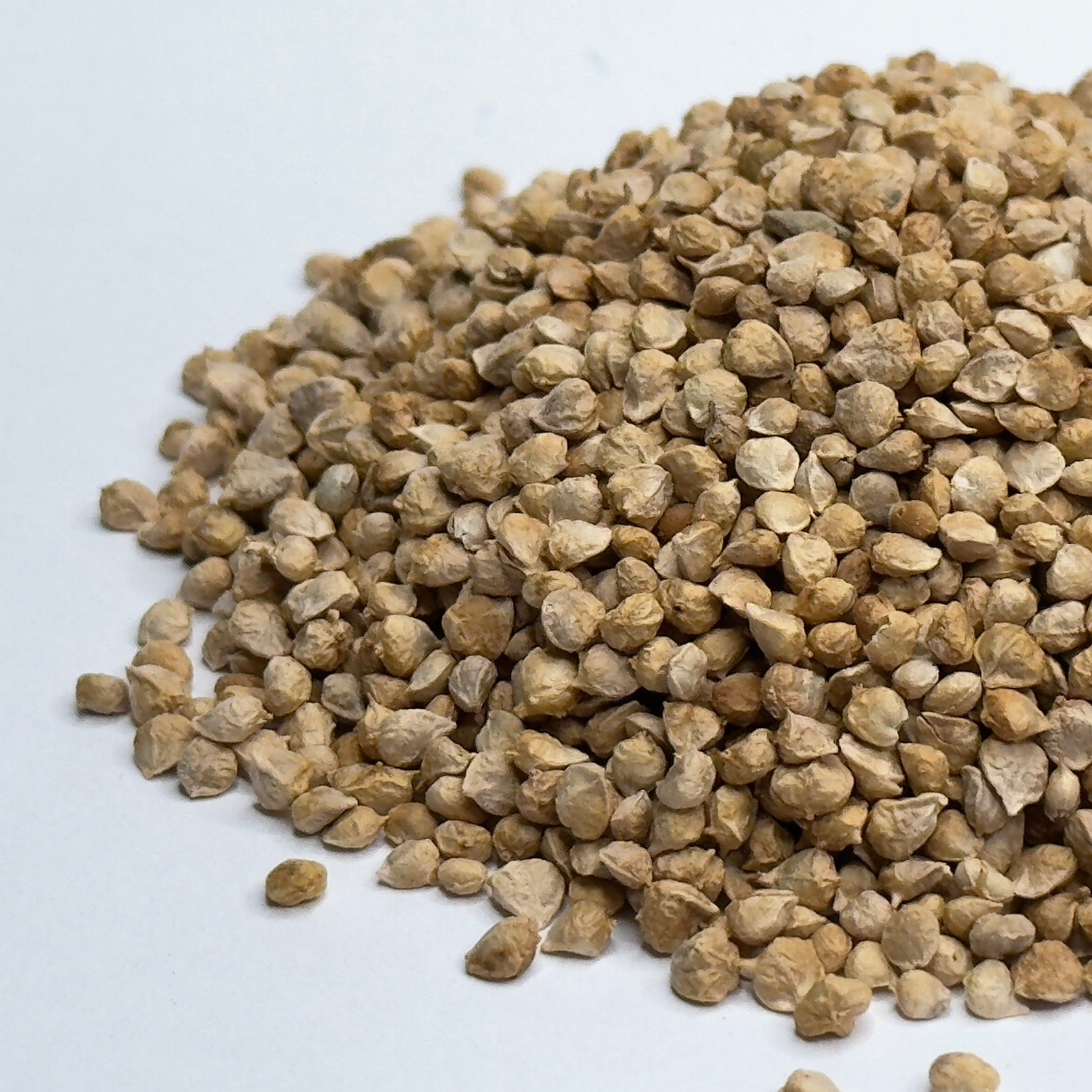
Spinach - microgreens seeds
✨Tender spinach micros with a clean, sweet‑green taste. Best in cooler rooms; beautiful, delicate leaves.
- Regular price
-
€3,95 - Regular price
-
- Sale price
-
€3,95
Couldn't load pickup availability
The classic green, turbocharged — spinach microgreens deliver everything you love about full-grown spinach in two weeks flat.
 Medium difficulty — rewards growers who give it cool temperatures, firm soil contact, and a little patience during the slower germination phase.
 Ready to harvest in 16–20 days under ideal cool conditions (16–20 °C); best grown with a 5–7 day blackout period for strong, upright stems.
 Rich in vitamins A (β-carotene), C, E and K, plus iron, magnesium and eye-protective lutein/zeaxanthin carotenoids — studies suggest 2.5–3× higher nutrient density than mature spinach.
 Mild, sweet-green flavour with juicy, tender leaves — perfect as a salad base, blended into smoothies, layered in wraps, or scattered over warm pasta and eggs.
100% satisfaction guarantee
Your satisfaction is our top priority.
If something's not right, we’ll make it right — whether that means replacing your item or giving you a full refund. No fuss, no hassle.
SHIPPING INFORMATION
Shipping cost is based on weight and destination. Just add products to your cart and use the Shipping Calculator to see the shipping price.

Details
The classic green, turbocharged — spinach microgreens deliver everything you love about full-grown spinach in two weeks flat.
Medium difficulty — rewards growers who give it cool temperatures, firm soil contact, and a little patience during the slower germination phase.
Ready to harvest in 16–20 days under ideal cool conditions (16–20 °C); best grown with a 5–7 day blackout period for strong, upright stems.
Rich in vitamins A (β-carotene), C, E and K, plus iron, magnesium and eye-protective lutein/zeaxanthin carotenoids — studies suggest 2.5–3× higher nutrient density than mature spinach.
Mild, sweet-green flavour with juicy, tender leaves — perfect as a salad base, blended into smoothies, layered in wraps, or scattered over warm pasta and eggs.
FULL SPECIFICATION TABLE
General Specification
| Common Name | Spinach microgreens |
| Botanical Name | Spinacia oleracea |
| Seed Type | Conventional, untreated, non-GMO |
| Stem/Leaf Color | Dark-green cotyledons and first leaves; pale green stems |
| Flavor & Texture | Mild, sweet-green spinach taste; tender leaves, juicy stems |
| Seed Count per 10g | ≈700–900 seeds (≈70–90 per gram; varies by cultivar) |
Cultivation Data
| Difficulty | Medium (cool-loving; slower to germinate than most brassicas) |
| Preferred Medium | Fine, well-drained potting soil or coco coir; firm seed-to-soil contact essential |
| Seeding Density (1020 tray) | 60 g per 1020 tray (25×50 cm) |
| Seeding Density (10x10 cm) | 4.8 g per 10×10 cm |
| Expected Yield | ≈200–250 g per 1020 tray (approximately 3×–4× seed weight) |
| Soaking | Optional: pre-soak 8–12 h in cool water; pre-chill seeds in fridge 12–24 h improves germination rate |
| Blackout Days | 5–7 days (cool and dark for strong, upright start) |
| Watering, pH & Temp | Keep medium evenly moist; bottom-water preferred. pH 6.2–6.5. Ideal temperature 16–20 °C; ensure good airflow to prevent mould |
| Sprouting Time | 7–10 days (under cool conditions) |
| Harvest Time | 16–20 days (microgreen/cotyledon stage) |
Health & Nutrition
| Vitamins | A (β-carotene), C, E, K, folate (B9) |
| Minerals | Iron, magnesium, potassium, calcium, manganese |
| Notable Compounds | Lutein, zeaxanthin, dietary nitrates, polyphenols (including quercetin rhamnoside, biflorin), chlorophyll derivatives, alpha-lipoic acid |
| Health Benefits | Supports immune function and eye health (lutein/zeaxanthin protect against macular degeneration); vitamin K supports normal blood clotting and bone health; dietary nitrates support healthy blood pressure; antioxidant polyphenols may inhibit formation of advanced glycation end products (AGEs); studies indicate 2.5–3× higher nutrient density compared to mature spinach |
ABOUT
Spinach microgreens are the closest thing in the microgreen world to pure, unadulterated green flavour — sweet, gentle, and unmistakably spinach from the very first bite, with none of the bitterness that sometimes creeps into mature leaves. Their deep-green cotyledons and pale, juicy stems have an almost silky texture that makes them one of the most versatile garnishes in a kitchen, equally at home in a green smoothie, tucked into a croque-monsieur, or piled onto a warm bowl of lentil soup. Unlike fast-and-furious brassica crops, spinach takes its time — a slower germination and longer growing window reward the grower with noticeably fuller, more substantial leaves that hold up beautifully on a plate. Grow them now and enjoy a harvest that proves the best things really are worth waiting for.
GROWING INSTRUCTIONS
Why Choose Deliseeds?
-
Untreated & Non-GMO, Conventional or Organic Safe, high-germination seeds. We also offer wide selection of certified organic seeds.
-
Fast EU Shipping
Orders dispatched within 24h. Delivery times 1-5 working days.
-
100% Satisfaction Guarantee
If you're not satisfied - you'll get a replacement or a refund.
-
Expert Support
We mean it! You get our personnal support to help you succeed.