



Brassica rapa nipposinica
Mizuna, Red - microgreens seeds
✨
- Regular price
-
27,00 zł - Regular price
-
- Sale price
-
27,00 zł
Couldn't load pickup availability
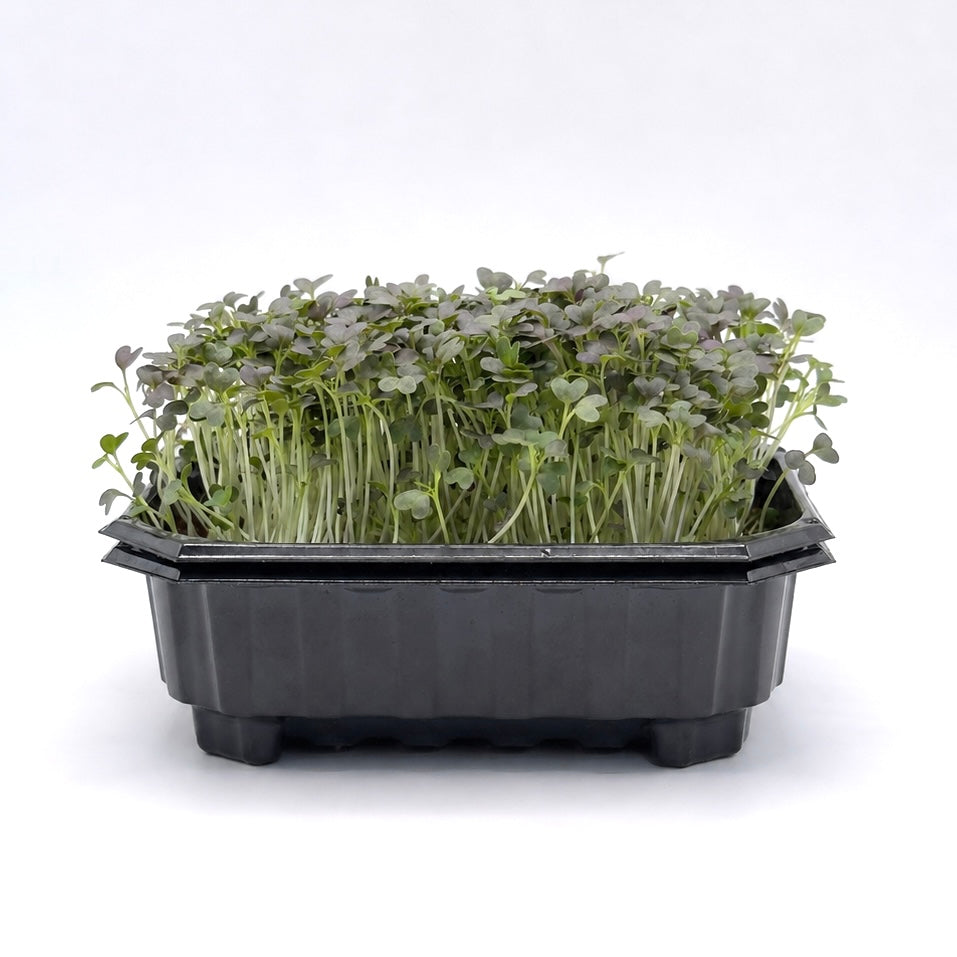
Grow a blush of crimson in your kitchen — Red Mizuna is ready to harvest in under two weeks.
 Beginner-friendly Brassica with reliable, dense germination and no soaking required — perfect for first-time growers and seasoned producers alike.
 Sprouts in just 3–4 days and reaches harvest in 8–12 days, making it one of the fastest, most rewarding microgreens you can grow.
 Rich in vitamins A, C, and K, plus anthocyanins in the red stems and glucosinolates from the Brassica family — a genuinely nutrient-dense crop.
 Delivers a delicate mustard bite with tender, lacy texture — ideal for salads, ramen bowls, sushi platters, and gourmet garnishes.
100% satisfaction guarantee
Your satisfaction is our top priority.
If something's not right, we’ll make it right — whether that means replacing your item or giving you a full refund. No fuss, no hassle.
SHIPPING INFORMATION
Shipping cost is based on weight and destination. Just add products to your cart and use the Shipping Calculator to see the shipping price.

Details
Grow a blush of crimson in your kitchen — Red Mizuna is ready to harvest in under two weeks.
Beginner-friendly Brassica with reliable, dense germination and no soaking required — perfect for first-time growers and seasoned producers alike.
Sprouts in just 3–4 days and reaches harvest in 8–12 days, making it one of the fastest, most rewarding microgreens you can grow.
Rich in vitamins A, C, and K, plus anthocyanins in the red stems and glucosinolates from the Brassica family — a genuinely nutrient-dense crop.
Delivers a delicate mustard bite with tender, lacy texture — ideal for salads, ramen bowls, sushi platters, and gourmet garnishes.
FULL SPECIFICATION TABLE
General Specification
| Common Name | Red Mizuna microgreens |
| Botanical Name | Brassica rapa var. nipposinica |
| Seed Type | Conventional, untreated, non-GMO |
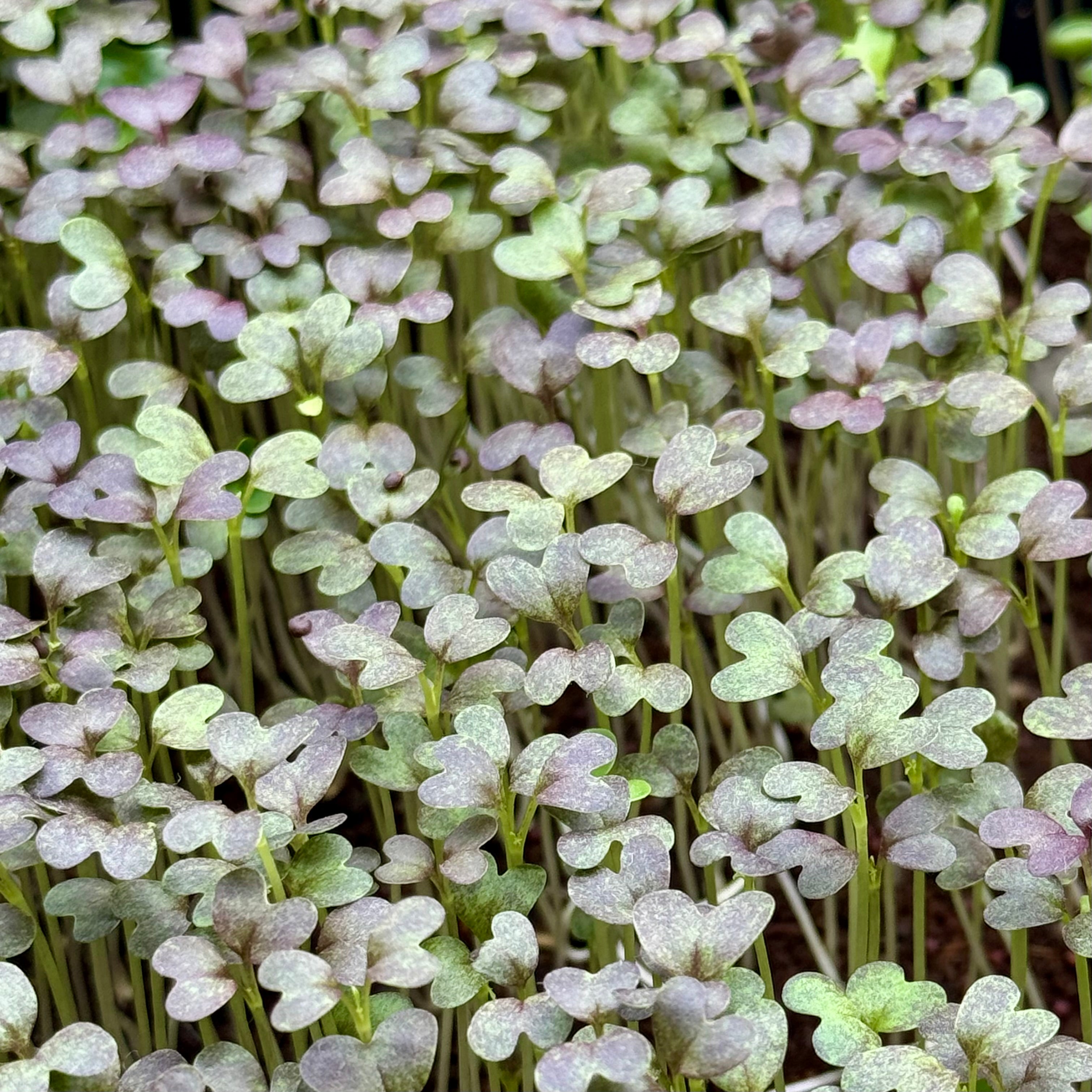
| Stem/Leaf Color | Fine serrated leaves; red-purple stems with green blades deepening to red-purple under light exposure |
| Flavor & Texture | Delicate mustard-like bite with mild peppery warmth; tender, lacy texture |
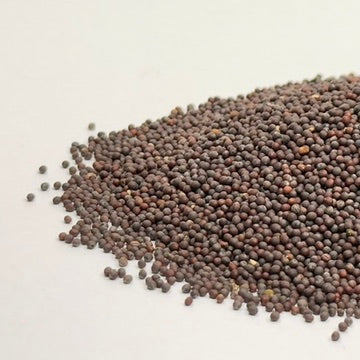
| Seed Count per 10g | ~3,000–4,100 seeds per 10g (approx. 300–410 seeds/g) |
Cultivation Data
| Difficulty | Very easy — beginner friendly |
| Preferred Medium | Soil or growing pads; fine potting mix recommended for best results |
| Seeding Density (1020 tray) | 10g per 1020 tray (25×50 cm) |
| Seeding Density (10x10 cm) | 0.80g per 10×10 cm |
| Expected Yield | ≈8–12× seed weight |
| Soaking | No — small seeds do not require pre-soaking |
| Blackout Days | 2–3 days (some sources indicate up to 4 days for fuller stem extension) |
| Watering, pH & Temp | Keep medium evenly moist; prefer bottom watering. Target pH 6.0–6.5. Temperature 18–22 °C. Ensure good airflow after germination. |
| Sprouting Time | 3–4 days |
| Harvest Time | 8–12 days |
Health & Nutrition
| Vitamins | A (beta-carotene), B-complex (including folate/B9), C, E, K1 (phylloquinone) |
| Minerals | Calcium, potassium, iron, magnesium, phosphorus, zinc |
| Notable Compounds | Glucosinolates (Brassica-family antioxidants); anthocyanins concentrated in red stems; chlorophyll; carotenoids (lutein, zeaxanthin, beta-carotene) |
| Health Benefits | Vitamin C and antioxidant compounds support immune defence; vitamin K1 plays a key role in normal blood coagulation and bone metabolism; anthocyanins in red stems contribute additional antioxidant activity; beta-carotene (provitamin A) supports eye and immune health |
ABOUT
Red Mizuna is a Japanese mustard green with a character all its own: feathery, deeply serrated leaves emerge green at the cotyledon stage before flushing rich red-purple as they mature under light, creating a tray that looks as striking as it tastes. The flavour is a gentle, clean mustard warmth — less sharp than arugula, more interesting than most salad greens — with a tender, almost silky texture that holds up beautifully in a bowl of miso soup or draped over a plate of smoked salmon. As a member of the Brassica family, it carries the characteristic glucosinolate profile alongside anthocyanins concentrated in those vivid red stems, compounds that only deepen in colour and concentration the longer you allow light exposure. If you want a crop that transforms a plain tray into something worth photographing — and onto a plate in under two weeks — this is it.
GROWING INSTRUCTIONS
Why Choose Deliseeds?
-
Untreated & Non-GMO, Conventional or Organic Safe, high-germination seeds. We also offer wide selection of certified organic seeds.
-
Fast EU Shipping
Orders dispatched within 24h. Delivery times 1-5 working days.
-
100% Satisfaction Guarantee
If you're not satisfied - you'll get a replacement or a refund.
-
Expert Support
We mean it! You get our personnal support to help you succeed.