



Brassica ol. acephala sabellica
Kale, Red - microgreens seeds
✨
- Regular price
-
40,00 zł - Regular price
-
- Sale price
-
40,00 zł
Couldn't load pickup availability
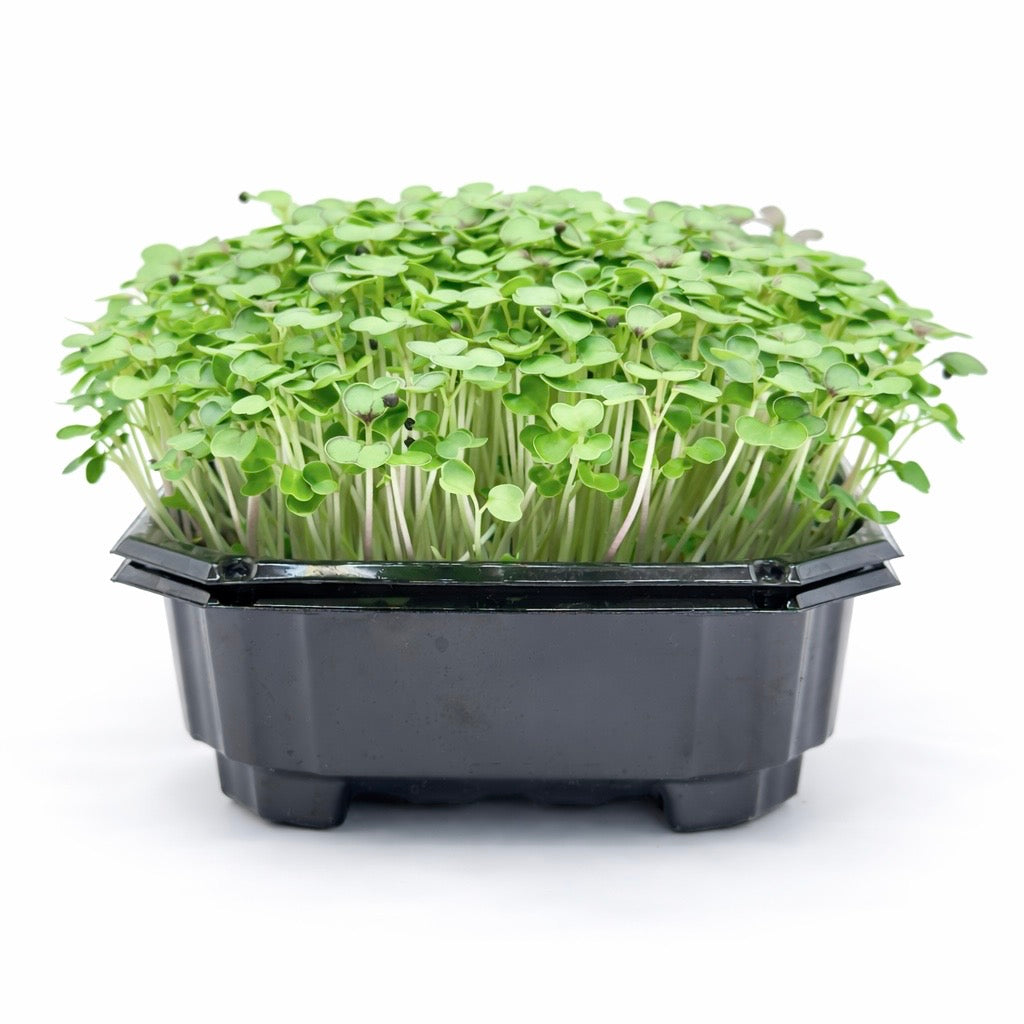
Grow a tray of jewel-toned Red Kale microgreens in under two weeks — no experience needed.
 Beginner-friendly brassica that thrives in soil or coco coir pads with minimal fuss — one of the easiest microgreens to grow consistently well.
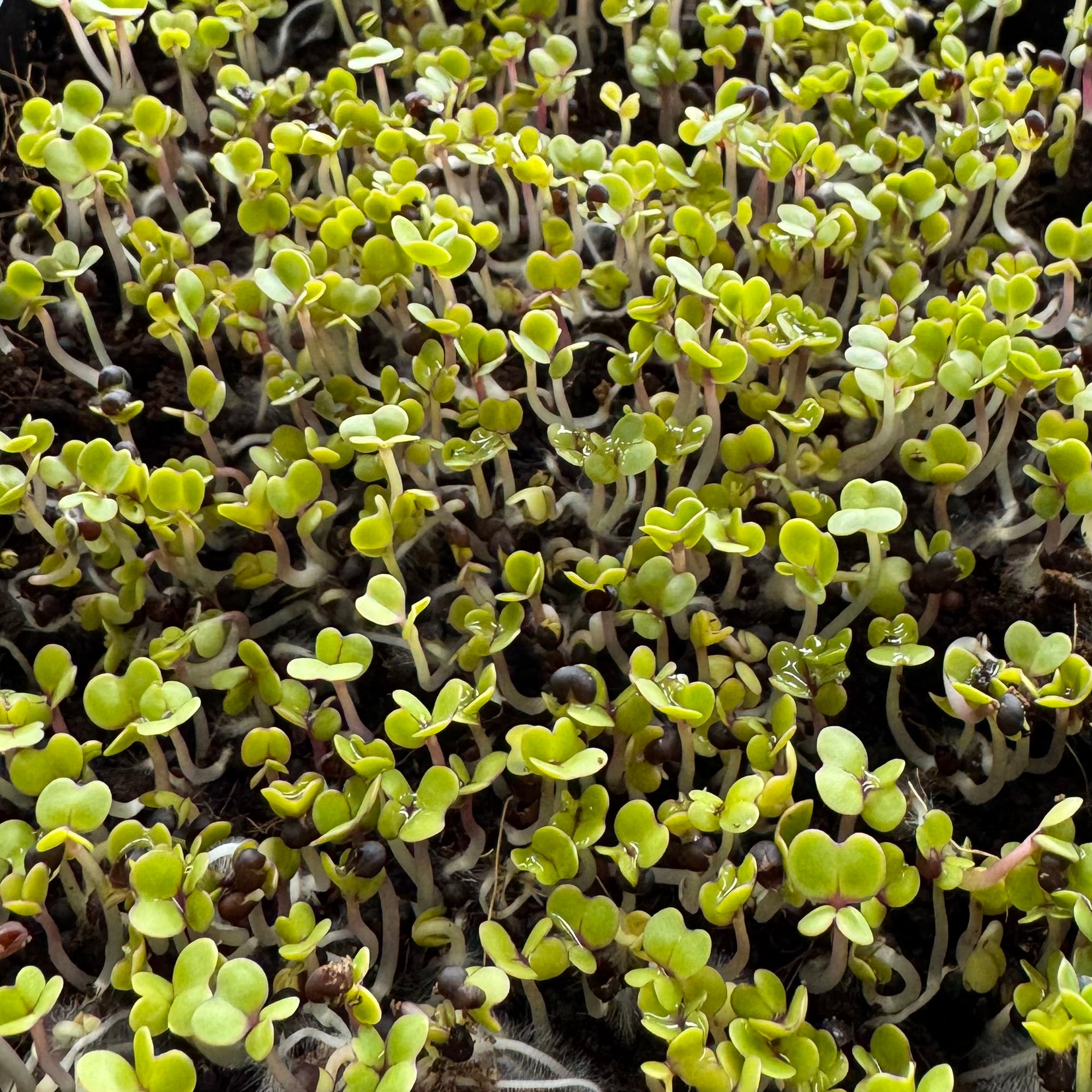
 Ready to harvest in just 10–12 days from sowing, with visible germination as early as day 2–3 and vibrant colour developing within 24 hours of light exposure.
 Rich in vitamins K, A, C, B6, and E, plus calcium, iron, magnesium and potassium — and packed with glucosinolates that convert to health-active isothiocyanates and sulforaphane in the body.
 Mild, slightly nutty kale flavour with a whisper of pepper and a satisfying tender crunch — ideal as a salad base, layered into sandwiches, stirred into scrambled eggs, or blended into a morning smoothie.
100% satisfaction guarantee
Your satisfaction is our top priority.
If something's not right, we’ll make it right — whether that means replacing your item or giving you a full refund. No fuss, no hassle.
SHIPPING INFORMATION
Shipping cost is based on weight and destination. Just add products to your cart and use the Shipping Calculator to see the shipping price.

Details
Grow a tray of jewel-toned Red Kale microgreens in under two weeks — no experience needed.
Beginner-friendly brassica that thrives in soil or coco coir pads with minimal fuss — one of the easiest microgreens to grow consistently well.
Ready to harvest in just 10–12 days from sowing, with visible germination as early as day 2–3 and vibrant colour developing within 24 hours of light exposure.
Rich in vitamins K, A, C, B6, and E, plus calcium, iron, magnesium and potassium — and packed with glucosinolates that convert to health-active isothiocyanates and sulforaphane in the body.
Mild, slightly nutty kale flavour with a whisper of pepper and a satisfying tender crunch — ideal as a salad base, layered into sandwiches, stirred into scrambled eggs, or blended into a morning smoothie.
FULL SPECIFICATION TABLE
General Specification
| Common Name | Red Kale microgreens |
| Botanical Name | Brassica oleracea var. sabellica |
| Seed Type | Conventional, untreated, non-GMO |
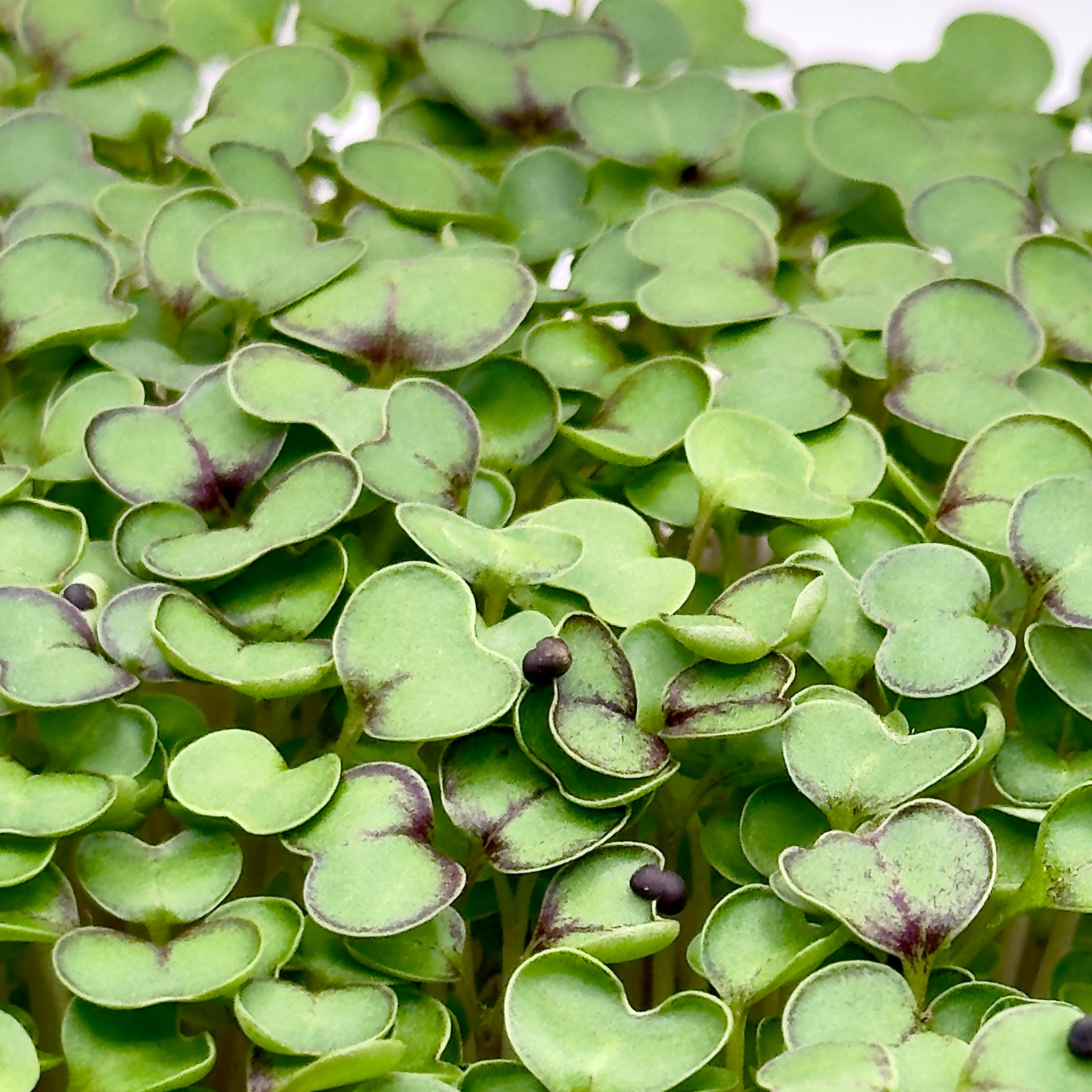
| Stem/Leaf Color | Deep magenta to purple stems; green serrated leaves with purple veins |
| Flavor & Texture | Mild, nutty kale with a gentle peppery note; tender yet satisfying crunch |
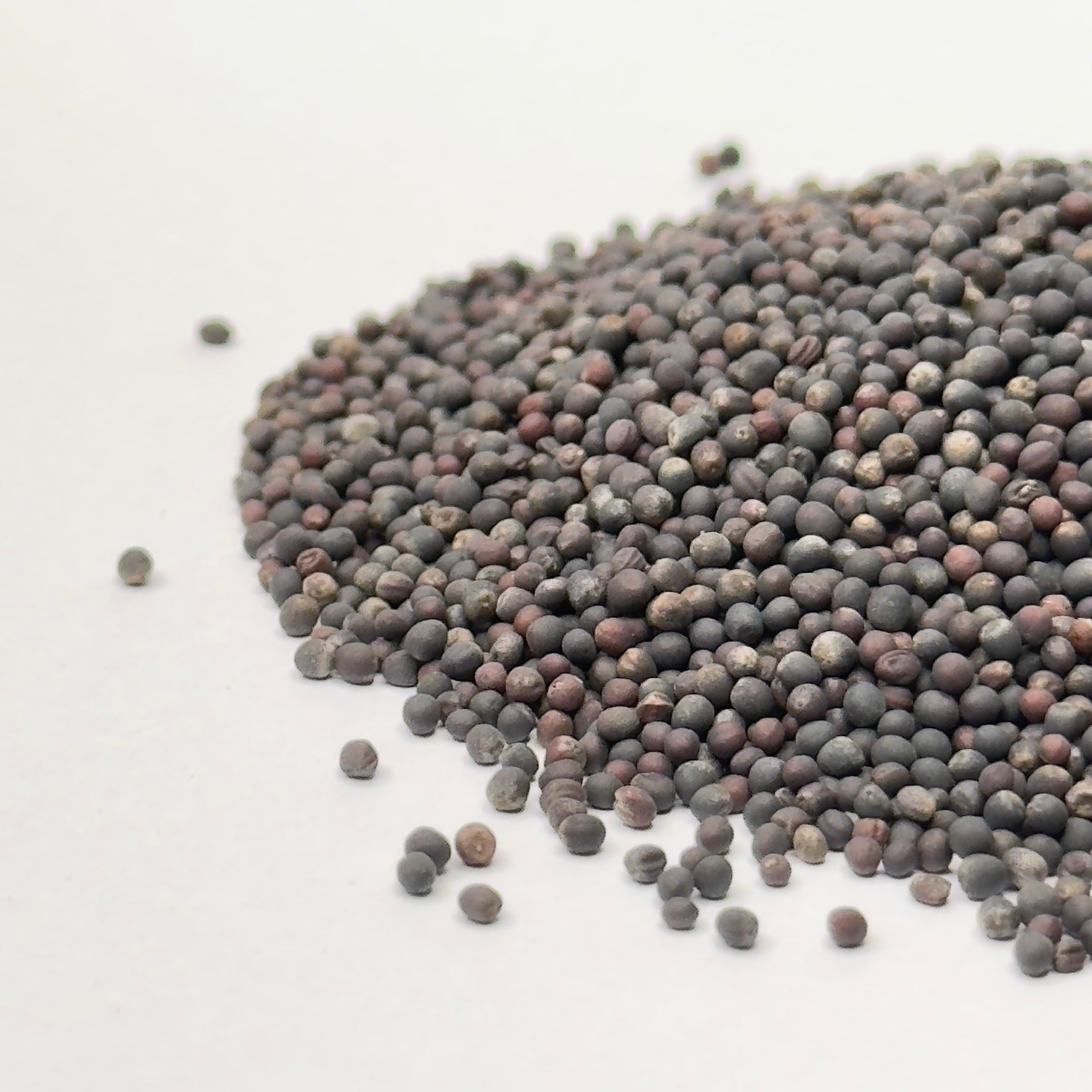
| Seed Count per 10g | ~2,500–3,000 seeds (≈250–300 seeds/gram) |
Cultivation Data
| Difficulty | Very easy — beginner friendly |
| Preferred Medium | Soil or coco coir pads; potting mix recommended for best yield |
| Seeding Density (1020 tray) | 10 g per 1020 tray (25×50 cm) |
| Seeding Density (10x10 cm) | ~0.8 g per 10×10 cm |
| Expected Yield | ≈120–200 g per 1020 tray (approx. 12–20× seed weight under good conditions) |
| Soaking | No soaking required |
| Blackout Days | 3–4 days (weighted blackout recommended) |
| Watering, pH & Temp | Bottom water only to keep foliage dry. Target pH 5.8–6.2. Temperature 18–22 °C. Ensure consistent airflow after germination to prevent damping off. |
| Sprouting Time | 2–4 days |
| Harvest Time | 10–12 days (cotyledon stage); up to 14 days for first true leaves |
Health & Nutrition
| Vitamins | Vitamin K (bone and blood clotting), Vitamin A (vision, immunity, cell growth), Vitamin C (immune defence, collagen synthesis), Vitamin B6 (energy metabolism, brain development), Vitamin E (antioxidant, cell protection) |
| Minerals | Calcium, potassium, iron, magnesium, phosphorus, zinc, copper |
| Notable Compounds | Glucosinolates (precursors to isothiocyanates and sulforaphane); carotenoids (beta-carotene, lutein, zeaxanthin); polyphenols including flavonoids (quercetin, kaempferol); chlorophyll; anthocyanins (responsible for red-purple pigmentation) |
| Health Benefits | Supports bone density and calcium absorption (vitamin K); promotes heart health through antioxidant and anti-inflammatory activity; contributes to normal immune function, C); glucosinolate-derived sulforaphane linked to carotenoids support eye health; anthocyanins contribute to antioxidant defence |
ABOUT
Red Kale microgreens are one of the most visually striking things you can grow on a kitchen counter — the deep magenta-to-purple stems emerge like little flames beneath a canopy of serrated green leaves traced with violet veins. Their flavour is a gentle, rounded kale character with just enough nuttiness to make them interesting, none of the bitterness of the mature leaf, and a clean, crisp bite that holds up beautifully under dressing. They perform brilliantly scattered over a grain bowl, tucked into a wrap with hummus and roasted vegetables, or simply laid across an open-faced egg and avocado toast. With a 10–12 day turnaround and almost zero barriers to entry, there has never been a better moment to get a tray going.
GROWING INSTRUCTIONS
Why Choose Deliseeds?
-
Untreated & Non-GMO, Conventional or Organic Safe, high-germination seeds. We also offer wide selection of certified organic seeds.
-
Fast EU Shipping
Orders dispatched within 24h. Delivery times 1-5 working days.
-
100% Satisfaction Guarantee
If you're not satisfied - you'll get a replacement or a refund.
-
Expert Support
We mean it! You get our personnal support to help you succeed.