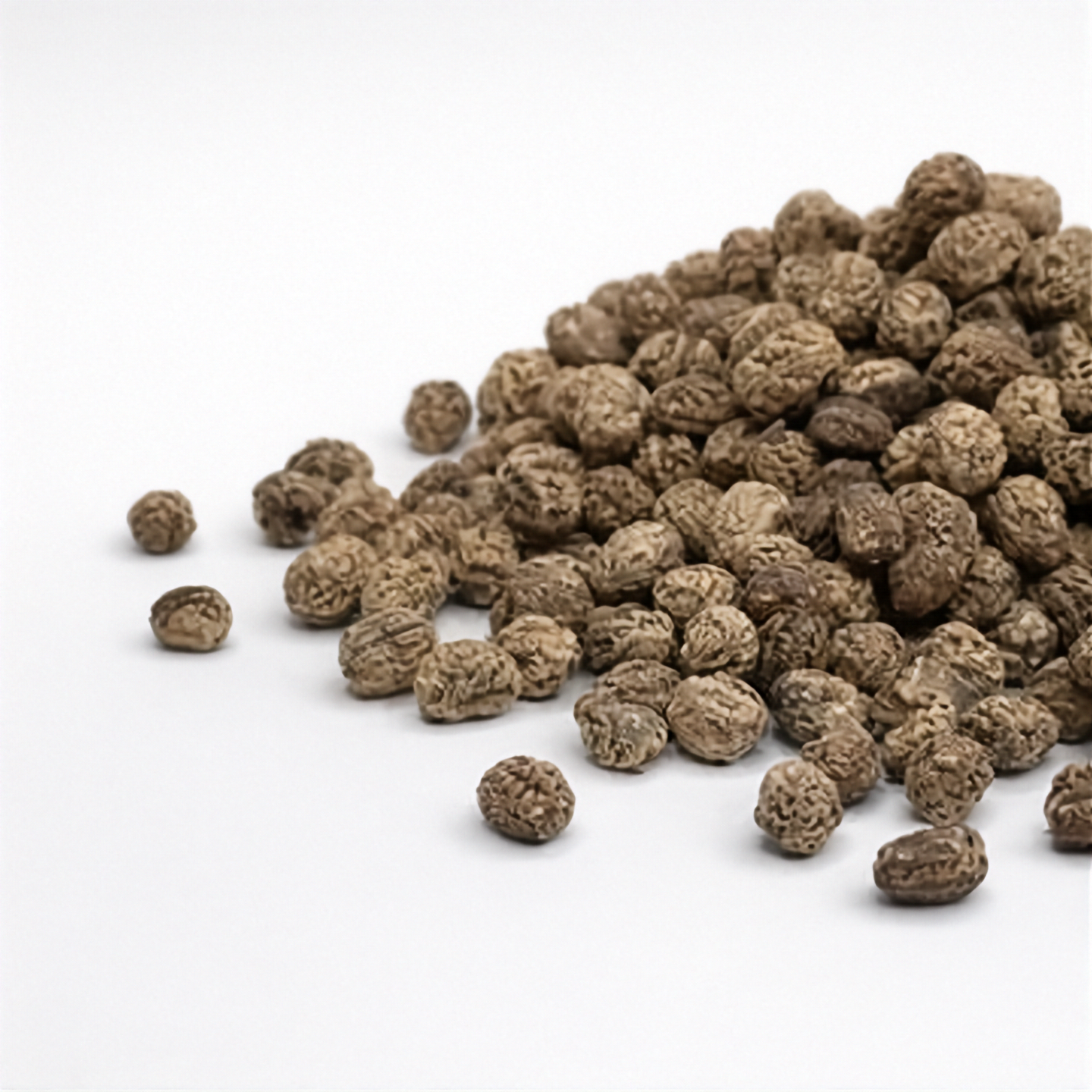

Tropaeolum nanum

Nasturtium Empress of India - microgreens seeds

✨Spicy nasturtium microgreens with striking reddish hues – a gourmet favorite for heat and color.

Priority dispatch within 2 working days · Full tracking included

Regular price
22,00 zł
Regular price
Sale price
22,00 zł
Tax included.

    Germination: 6–10 days (soak seeds ~6 hours prior); total grow time ~14–17 days. Requires a bit of patience but worth the wait.

    Flavor: Bold, peppery flavor with a slight “cool” finish - similar to green nasturtium but sometimes perceived as even spicier. Often compared to radish or wasabi in heat.

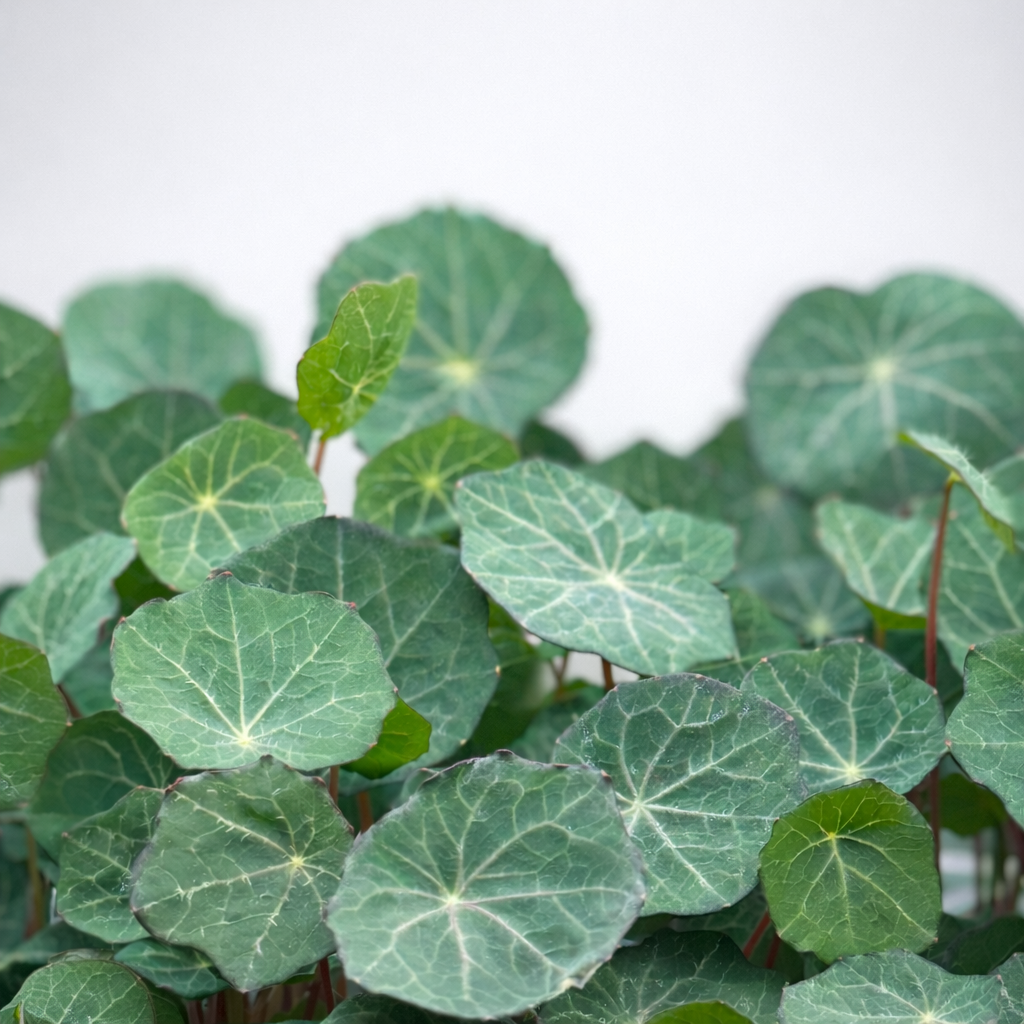
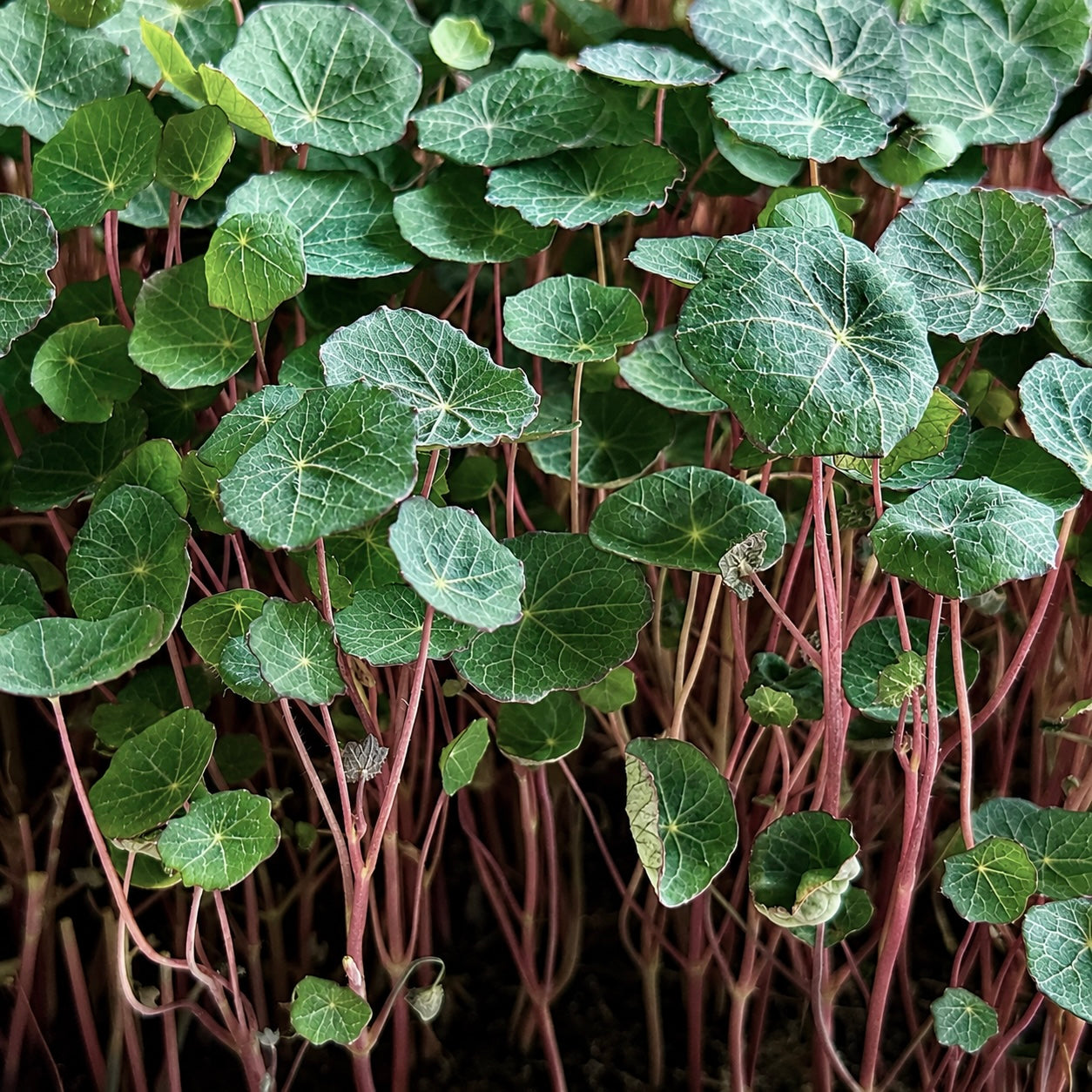
    Color & Appearance: Features green leaves with red veins or burgundy tints and pink-red stems (depending on variety). This dramatic coloration adds visual appeal to any dish.

    Culinary Uses: A chef’s choice microgreen - used in high-end cuisine for both flavor and plating. Great in sushi, gourmet salads, atop steaks or tartare, and anywhere a touch of heat and color is desired.

    Nutrients: Similarly rich in vitamins A, C, B and minerals as green nasturtium. Red varieties also pack antioxidants (anthocyanins) due to their pigmentation. Heirloom “Empress of India” type contains compounds like myrosinase with immune-boosting, antimicrobial qualities.

    100% satisfaction guarantee

    Your satisfaction is our top priority.

    If something's not right, we’ll make it right — whether that means replacing your item or giving you a full refund. No fuss, no hassle.

    SHIPPING INFORMATION

    Shipping cost is based on weight and destination. Just add products to your cart and use the Shipping Calculator to see the shipping price.
    Nasturtium Empress of India - microgreens seeds
    Nasturtium Empress of India - microgreens seeds

    Details

    Spicy‑sweet nasturtium greens with vibrant stems. Finish steaks, grain bowls, and tangy vinaigrettes.

    FULL SPECIFICATION TABLE

    General information

    Common Name Nasturtium Empress of India microgreens
    Botanical Name Tropaeolum nanum
    Seed Type Conventional, untreated, non-GMO
    Stem/Leaf Color Thick stems; round leaves; vivid green with pinkish stems
    Flavor & Texture Peppery, slightly sweet; crisp and juicy
    Seed Count per 10g ~80–100 seeds (≈8–10/g)

    Cultivation data

    Difficulty Medium
    Preferred Medium Soil/compost; strong light after uncovering
    Seeding Density (1020 tray) 133 g
    Seeding Density (10x10 cm) 10.31 g
    Expected Yield ≈160–200 g per 1020 tray (2-4 leaves)
    Soaking Yes: 2-6 h warm water
    Blackout Days 5-8 days
    Watering, pH & Temp Bottom water; pH ~6.0-6.5; 18-22 °C; airflow
    Sprouting Time 4-5 days after soak
    Harvest Time 14-21 days

    Health and nutrition facts

    Vitamins Vitamin C; provitamin A
    Minerals Potassium, iron, manganese
    Notable Compounds Glucosinolates, isothiocyanates; lutein
    Health Benefits Vitamin C and natural isothiocyanates - support immune defenses and normal airway comfort; stimulating, peppery compounds may aid appetite.
    ABOUT

    What are Red Nasturtium microgreens?

    Red nasturtium microgreens come from select nasturtium varieties (such as Empress of India, Jewel Mix (dark selection), or other cultivars) that have pigmented stems or darker leaves. When grown as microgreens, they closely resemble their green cousins in shape - the round, shield-like leaves - but delight the eyes with splashes of red and deep green. Often the stems emerge a soft pink or red, and the undersides of the leaves might show a purple flush. This two-tone effect (green on top, red underneath) makes red nasturtium microgreens especially prized for decorating plates. They basically look like miniature water lily pads painted with a blush of crimson!

    Flavor-wise, expect the same signature peppery punch nasturtiums are known for. Many growers and chefs swear that the red/purple nasturtium varieties have an extra depth to their flavor: still very peppery and spicy, but with a slight "cool" or herbal note that follows. It's been described as "spicy yet cooling" - a unique combination that makes eating them a fun experience. If green nasturtium is like black pepper, some say the red nasturtium is like pink peppercorn - a bit nuanced in aroma while still packing heat. Either way, both will definitely add a zesty kick. These microgreens can clear the sinuses a bit like a mild horseradish!

    Culinary Applications: Red nasturtium microgreens are a darling of fine dining and creative chefs. Their vibrant look and intense taste allow them to play dual roles as garnish and seasoning. For instance, high-end sushi chefs have begun adding nasturtium micros to rolls or on top of nigiri, appreciating that it brings a wasabi-like spice combined with a beautiful color accent. In modern European cuisine, you'll find them garnishing chilled soups, decorating appetizer plates, or adding a pop to creamy dishes (imagine a few red-edged leaves on pumpkin soup or on a burrata cheese starter - stunning). They can also complement meat dishes; try placing a small mound of red nasturtium micros on a seared steak or carpaccio - their slight sweetness and pepper cut through the richness of meat. Salads and sandwiches, of course, benefit too: use red nasturtium micros to add both fiery flavor and a colorful surprise among the greens.

    Nutritional Profile: Much like the green variety, red nasturtium microgreens are loaded with nutrients. They bring in vitamin C, which is great for immunity, and vitamin A for skin and eye health. The B vitamins present can help with metabolism and energy. Because of their red pigments, these micros also contain anthocyanins, a type of antioxidant found in red and purple plants (commonly associated with heart health benefits). Nasturtiums, in general, have a compound called glucotropaeolin (a glucosinolate) which, with the enzyme myrosinase, can produce natural antibiotic and anti-inflammatory effects. In simpler terms, red nasturtium micros can help contribute antioxidants and may support your body's defenses. They're a spice and a supplement all in one! Remember, you'll typically use these in moderate amounts due to their strong flavor, but even a small handful will give a nice nutrient kick.

    Cultivation Note: Red nasturtium varieties are sometimes a bit more delicate to grow than green. For example, Empress of India nasturtium is beloved by chefs but is known to require "skill, patience, and careful technique". The germination rate can be a touch lower (often around 70-80%) and they can be sensitive to fungal issues if not grown with care. Don't let that discourage you - just be diligent with soaking seeds, maintaining cleanliness, and giving proper airflow as described below. The reward is worth it: you'll harvest a tray of gourmet microgreens that can fetch a premium if you're selling, or will impress anyone lucky enough to taste your homegrown batch.

    GROWING INSTRUCTIONS

    How to grow Red Nasturtium microgreens?

    Growing red nasturtium microgreens is very similar to the green variety (refer to the Green Nasturtium instructions above) with a few extra tips for success:

    • Soak and Sow: Definitely soak red nasturtium seeds as well (6 hours is ideal). Sow them on a quality medium and cover lightly with soil/vermiculite. Red varieties tend to have comparable seed size, so use a similar seeding rate (maybe slightly more seeds if germination is known to be lower). For instance, if you have an "Empress of India" variety, you might increase density by 10% to compensate for any slow starters. Cover and keep in blackout for 6-7 days. Keep the soil moist but not too wet - red varieties are equally prone to mold if overwatered. Some growers even prefer a cooler germination temperature (around 16-18°C) to slow down any fungal growth; it might make germination take an extra day but can improve success.
    • Observation: During germination, open the lid daily for a quick breath of air. Because these seeds may germinate a bit unevenly, you might see a few sprouts at day 5 and others only at day 9. Don't worry - continue to keep them in the dark until the majority have at least a short stem. If you notice any fuzzy mold on unsprouted seeds, remove those seeds with tweezers immediately and spray a little water mixed with grapefruit seed extract or a drop of hydrogen peroxide as an organic anti-fungal measure on that spot.
    • Light Phase: When ready, expose the tray to light. Indirect light is fine for the first day or two - red nasturtium seedlings can be slightly sensitive to abrupt intense light (some growers report a bit of leaf curl under very strong light at first). After a day, full grow lights or sunlight is okay. They absolutely need good light to develop their pigments. With plenty of light, the stems will turn a deeper red and the leaves a richer green. If kept too dim, they might stay pale. Continue bottom-watering and ensure airflow (a small fan near the tray is recommended because these red varieties are a "gourmet variety" that can mold if neglected).
    • Growing On: You'll observe that red nasturtium microgreens often have slightly darker foliage and stems as they grow. Some leaves might be a deep olive green with maroon veins - a sign of their variety. Growth rate is roughly the same as green: true leaves might start peeking around day 12-14. Avoid letting them go much past ~18 days; the first true leaves of dark varieties can sometimes be very dark (almost bluish green) and slightly more bitter. Harvesting at the cotyledon stage plus small true leaf is optimal for taste.
    • Harvest: Harvest when the leaves are broad and before they get leathery. Likely around day 14 or 15 you'll have a good number of beautiful micro nasturtiums ready. Use the same cutting method (sharp scissors/knife). One thing to note: because of the red pigment, you might see a slight red stain on your paper towel when patting them dry (similar to beet microgreens bleeding color). This is normal anthocyanin pigment - handle gently to avoid too much crushing. Yield will be similar to green nasturtium, perhaps a tad less if germination was lower.

    Taste test: Always taste a couple of your microgreens from each tray! Red nasturtium should taste peppery and strong. If they are extremely hot/bitter, it could mean they were stressed (perhaps too warm or not enough water at some point). Generally, though, they should be pleasantly spicy and aromatic.

    Red Nasturtium microgreens - tips & troubleshooting

    I’ve heard red nasturtium microgreens are harder to grow. What are the key challenges?

    The main challenges are germination rate and mold prevention. Red nasturtium varieties (like Empress of India) often germinate a bit less uniformly, so you might get a lower yield if not careful. Mitigate this by sowing a little heavier and absolutely soaking seeds beforehand. Mold can be more likely because any ungerminated seeds will sit and potentially grow fungus. So, be proactive: remove any seeds that haven’t sprouted by day 10 if they look slimy or fuzzy. Keep watering light – nasturtium seeds have enough reserves, they don’t need to be soaked in soil after the initial sprouting. Another point: red nasturtiums tend to have darker leaves which might hide issues; inspect the underside of leaves and soil for any white mold. If you maintain cleanliness and patience, you’ll succeed. Many growers actually report that once they get the hang of it, nasturtiums (green or red) grow “as fast as weeds” in good conditions – so it’s about refining your technique.

    My red nasturtium microgreens have curled or deformed leaves, especially the first true leaves. Is this normal?

    Some slight leaf curling can happen, especially if the microgreens experienced stress. One cause could be too intense light immediately after blackout – tender nasturtium sprouts might respond by cupping their leaves. It could also be a reaction to inconsistent watering. That said, a bit of waviness on the leaf edges or a slightly cupped leaf isn’t unusual for nasturtiums. If the cotyledons (first round leaves) are healthy but the true leaves are distorted, you might consider harvesting before true leaves fully form next time. Also, check if there might be any pest (unlikely indoors, but aphids love nasturtiums outdoors – indoor microgreens rarely get them). Usually, though, it’s just a cosmetic quirk. They’re still perfectly edible and tasty. Provide steady light, even moisture, and harvest on the younger side if you want the prettiest leaves.

    Are red nasturtium microgreens more pungent than the green ones?

    Many people perceive them that way. The difference is subtle, but some report that red nasturtium micros have a “sharper” initial bite and perhaps a slight radish-like earthiness under the spice. Green ones might taste a tad greener. This could be subjective or due to growing conditions. Warmer growth tends to make any nasturtium spicier, while cooler, slower growth can make for milder micros. If you find them too pungent, you can mix them with other microgreens (like radish or sunflower) to diffuse the heat while still getting the color. Conversely, if you love the spice, use them fresh and raw – cooking will reduce the pungency.

    What are some creative ways to use red nasturtium microgreens?

    Beyond the usual salads and garnishes, try these ideas:
    1) Use them as a bed for carpaccio or crudo – the peppery taste complements raw fish or beef slices.
    2) Blend a handful into a compound butter or cream cheese spread for a peppery kick (excellent on a baguette).
    3) Make a nasturtium microgreen pesto or chimichurri: substitute part of the basil/parsley with nasturtium micros for a zesty sauce for grilled vegetables or pasta.
    4) Top deviled eggs or savory tarts with a few micro nasturtium leaves – their look and flavor add complexity.
    5) If you juice or make smoothies, toss in a small bunch along with sweeter greens; they’ll add an unexpected zing (think spicy green juice). Their vibrant look also makes cocktails interesting – floating a couple leaves in a gin cocktail can be a conversation starter. So, don’t be afraid to experiment – these micros can do more than just sit on the side of the plate!

    Why Choose Deliseeds?

    • Untreated & Non-GMO, Conventional or Organic

      Safe, high-germination seeds. We also offer wide selection of certified organic seeds.

    • Fast EU Shipping

      Orders dispatched within 24h. Delivery times 1-5 working days.

    • 100% Satisfaction Guarantee

      If you're not satisfied - you'll get a replacement or a refund.

    • Expert Support

      We mean it! You get our personnal support to help you succeed.