


Calendula officinalis
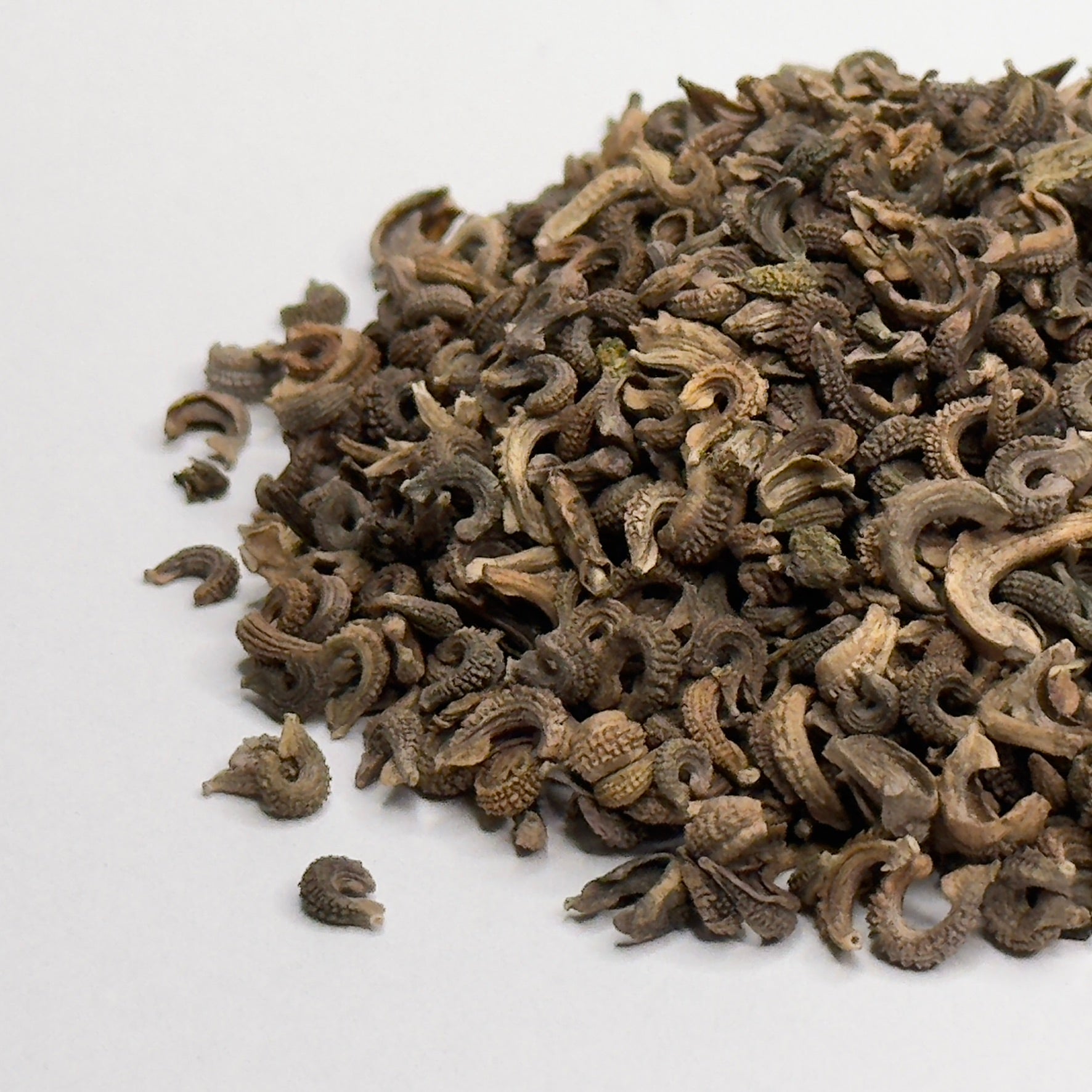
Calendula (Pot Marigold) - microgreens seeds
✨Peppery and tangy microgreen with a hint of citrus, perfect for vibrant garnishes.
- Regular price
-
13,00 zł - Regular price
-
- Sale price
-
13,00 zł
Couldn't load pickup availability
Grow the garden's most poetic green — floral, gently bitter, and ready to harvest in two weeks.
 Easy-to-medium difficulty; thrives in soil or coco with no soaking required — a beginner-friendly variety with rewarding yields
 Ready to harvest in just 12–14 days from sowing, with visible sprouting within 6–10 days
 Rich in carotenoids including lutein and zeaxanthin, which support eye health and help protect cells from oxidative stress, plus vitamin C and vitamin K
 Delicate floral-herbal flavour with a pleasant bitter edge — beautiful scattered over salads, soups, soft cheeses, and cocktail garnishes
100% satisfaction guarantee
Your satisfaction is our top priority.
If something's not right, we’ll make it right — whether that means replacing your item or giving you a full refund. No fuss, no hassle.
SHIPPING INFORMATION
Shipping cost is based on weight and destination. Just add products to your cart and use the Shipping Calculator to see the shipping price.

Details
Grow the garden's most poetic green — floral, gently bitter, and ready to harvest in two weeks.
Easy-to-medium difficulty; thrives in soil or coco with no soaking required — a beginner-friendly variety with rewarding yields
Ready to harvest in just 12–14 days from sowing, with visible sprouting within 6–10 days
Rich in carotenoids including lutein and zeaxanthin, which support eye health and help protect cells from oxidative stress, plus vitamin C and vitamin K
Delicate floral-herbal flavour with a pleasant bitter edge — beautiful scattered over salads, soups, soft cheeses, and cocktail garnishes
FULL SPECIFICATION TABLE
General Specification
| Common Name | Pot Marigold microgreens |
| Botanical Name | Calendula officinalis |
| Seed Type | Conventional, untreated, non-GMO |
| Stem/Leaf Color | Pale to medium-green leaves; tender cotyledons |
| Flavor & Texture | Light floral-herbal with pleasant bitterness; tender bite |
| Seed Count per 10g | ~1,000–1,500 seeds per 10 g (approx. 100–150 seeds/g) |
Cultivation Data
| Difficulty | Easy-Medium |
| Preferred Medium | Soil or coco; bottom water |
| Seeding Density (1020 tray) | 10–15 g per 1020 tray (25×50 cm) |
| Seeding Density (10x10 cm) | 0.8–1.2 g per 10×10 cm |
| Expected Yield | ≈150–200 g per 1020 tray (at cotyledon stage) |
| Soaking | No |
| Blackout Days | 4–6 days |
| Watering, pH & Temp | Bottom water; pH ~6.0–6.5; 18–24 °C; good airflow essential |
| Sprouting Time | 6–10 days |
| Harvest Time | 12–14 days |
Health & Nutrition
| Vitamins | Vitamin A precursors (carotenoids / beta-carotene), vitamin C, vitamin K |
| Minerals | Potassium, calcium |
| Notable Compounds | Carotenoids (lutein, zeaxanthin, meso-zeaxanthin), flavonoids, triterpenoids, saponins |
| Health Benefits | Rich in carotenoids (lutein, zeaxanthin) and flavonoids that provide antioxidant protection and support eye health by helping to form macular pigment; vitamin C contributes to normal collagen formation and immune function; vitamin K supports normal blood clotting and bone metabolism. |
ABOUT
Pot Marigold microgreens (Calendula officinalis) are among the most visually and aromatically distinctive greens you can grow on a windowsill or in a commercial tray — pale-green cotyledons with a faintly resinous, floral scent that hints at the plant's centuries-old medicinal heritage. On the palate they deliver a light herbal note with a clean, lingering bitterness, making them a natural companion for creamy dishes: think scattered over burrata, stirred into a warm potato soup, or laid across smoked salmon blinis. Calendula has been used in European kitchens and apothecaries since the Middle Ages, and growing it as a microgreen concentrates that same character into a tender, cotyledon-stage leaf that is ready well before the full plant flowers. Start a tray this week and you will have something genuinely unusual on your plate — and in your kitchen's story — within a fortnight.
GROWING INSTRUCTIONS
Why Choose Deliseeds?
-
Untreated & Non-GMO, Conventional or Organic Safe, high-germination seeds. We also offer wide selection of certified organic seeds.
-
Fast EU Shipping
Orders dispatched within 24h. Delivery times 1-5 working days.
-
100% Satisfaction Guarantee
If you're not satisfied - you'll get a replacement or a refund.
-
Expert Support
We mean it! You get our personnal support to help you succeed.