
Borago officinalis

Borage - microgreens seeds

✨Crisp, cucumber-flavored microgreens with succulent stems – the “cucumber herb” that refreshes any dish.

Priority dispatch within 2 working days · Full tracking included

Regular price
17,00 zł
Regular price
Sale price
17,00 zł
Tax included.

    Germination: 4–6 days to sprout; harvest around 10–15 days. Moderate growth rate – requires a little patience initially, then grows vigorously.

    Flavor: Bright cucumber-like flavor, mildly sweet and refreshing. Often called “the cucumber microgreen” for its uncanny taste resemblance. Leaves have a tender crunch and a hint of herbal sweetness.

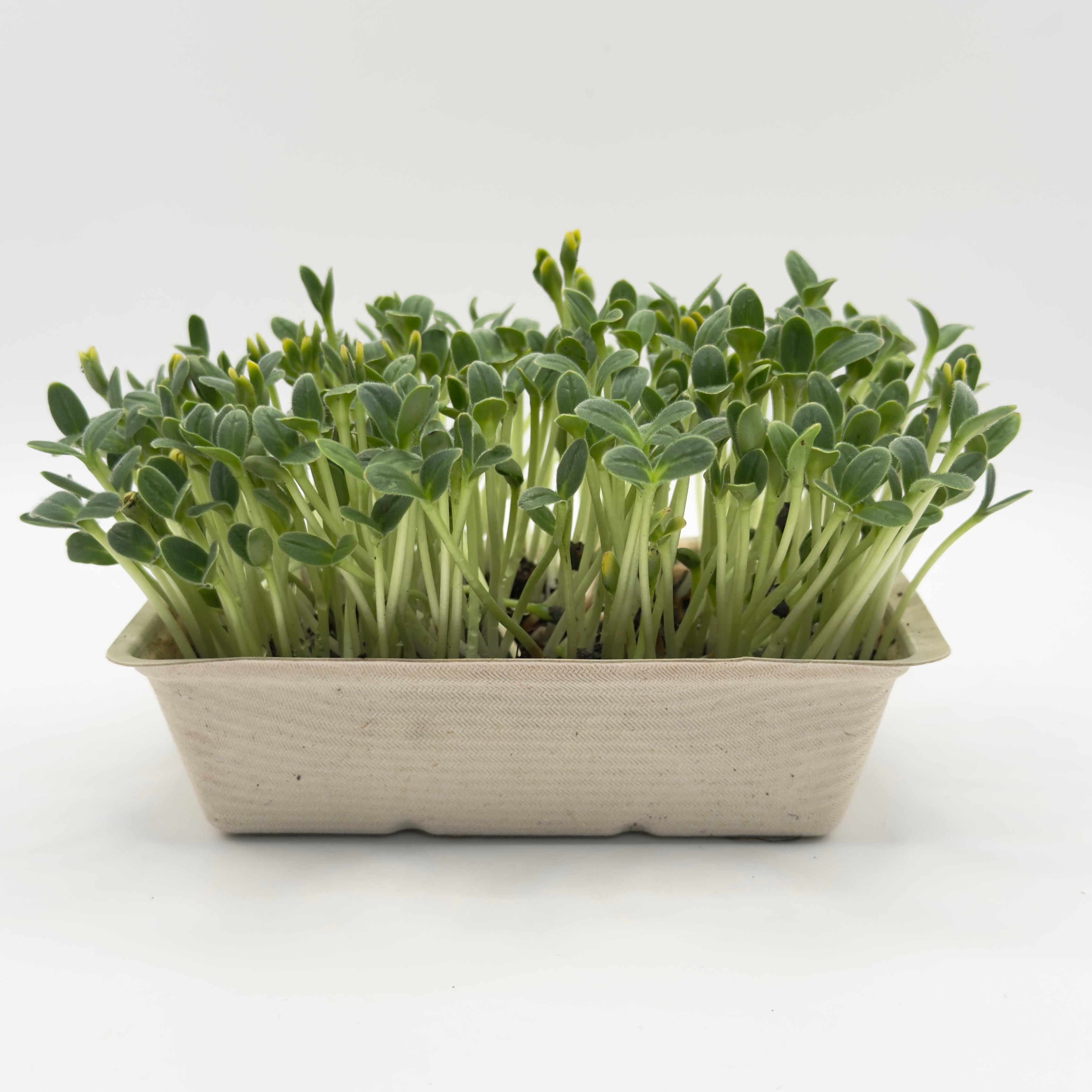
    Texture & Appearance: Light green, oval leaves that are slightly fuzzy (hairy) to touch. Stems are juicy and pale green. Micro borage looks similar to baby spinach but with fine hairs – still palatable and soft when young. Grows about 5–7 cm tall at harvest.

    Culinary Uses: Use borage microgreens wherever you want a fresh burst of cucumber flavor: in salads, sandwiches, summer rolls, or as cocktail garnishes (lovely in gin or lemonade). Fantastic as a unique salad green or atop cold soups and yogurt dishes. Edible flowers can be grown from the same seed if allowed to mature, but at micro stage you get concentrated flavor.

    Nutrition: Vitamin-rich microgreen - particularly high in vitamins B, C, and K, including folic acid. Contains essential minerals like iron, calcium, potassium. Borage is also known for gamma-linolenic acid (an omega-6 fatty acid) in its seeds; while microgreens have less fat, they still carry antioxidants and anti-inflammatory compounds. Traditionally used as a medicinal herb for adrenal support and anti-inflammatory benefits.

    100% satisfaction guarantee

    Your satisfaction is our top priority.

    If something's not right, we’ll make it right — whether that means replacing your item or giving you a full refund. No fuss, no hassle.

    SHIPPING INFORMATION

    Shipping cost is based on weight and destination. Just add products to your cart and use the Shipping Calculator to see the shipping price.
    Borage - microgreens seeds
    Borage - microgreens seeds
    Borage - microgreens seeds

    Details

    Clean cucumber flavor in a crisp microgreen. Refresh ceviche, salads, and summer drinks.

    FULL SPECIFICATION TABLE

    General information

    Common Name Borage microgreens
    Botanical Name Borago officinalis
    Seed Type Conventional, untreated, non-GMO
    Stem/Leaf Color Light green, slight fuzz; sturdy pale stems
    Flavor & Texture Refreshing cucumber‑like flavor; crisp and juicy
    Seed Count per 10g ~500–550 seeds (≈50–55/g)

    Cultivation data

    Difficulty Medium (slow to germinate)
    Preferred Medium Soil; bottom watering
    Seeding Density (1020 tray) 35 g
    Seeding Density (10x10 cm) 2.71 g
    Expected Yield ≈150–220 g per 1020 tray (open cotyledon)
    Soaking No
    Blackout Days 6–8 days
    Watering, pH & Temp Bottom water; pH ~6.0–6.5; 18–22 °C
    Sprouting Time 8–10 days
    Harvest Time 18–20 days

    Health and nutrition facts

    Vitamins Vitamins C, A, K
    Minerals Potassium
    Notable Compounds Phenolics; aromatic compounds
    Health Benefits Vitamins C, A & K - support immunity, vision/skin health, and normal blood clotting; antioxidants help protect cells from oxidative stress.
    ABOUT

    What are Borage microgreens?

    Borage (Borago officinalis), sometimes known as starflower, is famous for its beautiful blue star-shaped flowers and its distinct cucumber flavor. As microgreens, borage offers a convenient and quick way to enjoy that cucumber taste without having to grow full plants. Borage microgreens have bright green leaves that are oval or spoon-shaped with a slight serration. One hallmark of borage is that the leaves (even as microgreens) have a slight fuzz - tiny hair-like structures. Don't worry, at the microgreen stage these hairs are very fine and entirely edible; they give a "velvety" texture on the tongue rather than a prickly feel. In fact, the stems and leaves are succulent and have a pleasing crunch, making borage micros enjoyable to eat in quantity, not just as a garnish.

    The flavor is remarkably like fresh cucumber, often surprising people who try it for the first time. Imagine biting into a juicy cucumber - that cool, watery, green taste - and that's what a few borage micro leaves will deliver. There's also a subtle sweetness and herbal note, somewhat like a very mild melon or zucchini taste. This makes borage microgreens excellent for adding a refreshing element to dishes. They won't introduce any bitterness or spiciness; instead, they bring a clean flavor.

    Culinary Uses: Given their cucumber profile, borage microgreens pair well with light and creamy flavors. Toss them into a green salad for a natural cucumber hint without actually adding cucumber (great in winter when cucumbers are out of season). They complement dairy very well: try them in a cream cheese sandwich, on top of cream soups, or blended into a yogurt dip (they could elevate a tzatziki by adding extra cucumber note!). Chefs also use borage micros in cocktails and beverages - for example, floating atop a gin and tonic, muddled into a cocktail for herbal nuance, or simply as a pretty green garnish on a lemonade or iced tea (they won't wilt immediately and add aroma). They can be a fun addition to sandwiches and wraps, bringing that crunch and freshness - think of substituting lettuce in a tea sandwich with borage micros for an extra layer of taste. Additionally, they're used in garnishing desserts and fruit bowls occasionally, because their cool flavor can complement fruity and floral desserts (borage flowers are used in sweets, and the microgreens share some of that versatility). If you're into creative cooking, you can also make a borage microgreen sorbet or granita - imagine a cucumber sorbet, the micros would work brilliantly with a bit of lemon and sugar to churn into a frozen palate cleanser.

    Nutrition and Health: Borage has been traditionally valued as a medicinal herb (often taken as an infusion or oil). The microgreens carry some of these healthful components in a raw form. They are a good source of Vitamin C (for immune health) and Vitamin K (for blood clotting and bone health), as well as B vitamins like folate (B9) for DNA synthesis. Minerals such as iron (for blood) and calcium (for bones) are present too. Borage is particularly noted for gamma-linolenic acid (GLA), an omega-6 fatty acid found in its seeds and leaves that has anti-inflammatory effects. In microgreens, the fat content is low, but some GLA might be present in trace amounts, along with other polyphenols and antioxidants. Historically, borage was called the "herb of gladness" because it was thought to improve mood and courage. While we can't promise bravery from a salad, the uplifting aroma and nutritional boost might indeed make you feel good! The microgreens are also hydrating (like cucumber) because they have high water content. One thing to note: borage (like many leafy greens) contains small amounts of pyrrolizidine alkaloids in mature plants which aren't great for the liver in large doses; however, in microgreen stage and normal culinary use, the levels are extremely low and not of concern. Just avoid eating absurd quantities daily. For normal consumption, borage micros are a lovely, healthful addition to your diet.

    GROWING INSTRUCTIONS

    How to grow Borage microgreens?

    Growing borage microgreens is moderately easy - the seeds are larger and not as quick as some microgreens, but they don't require too much special treatment.

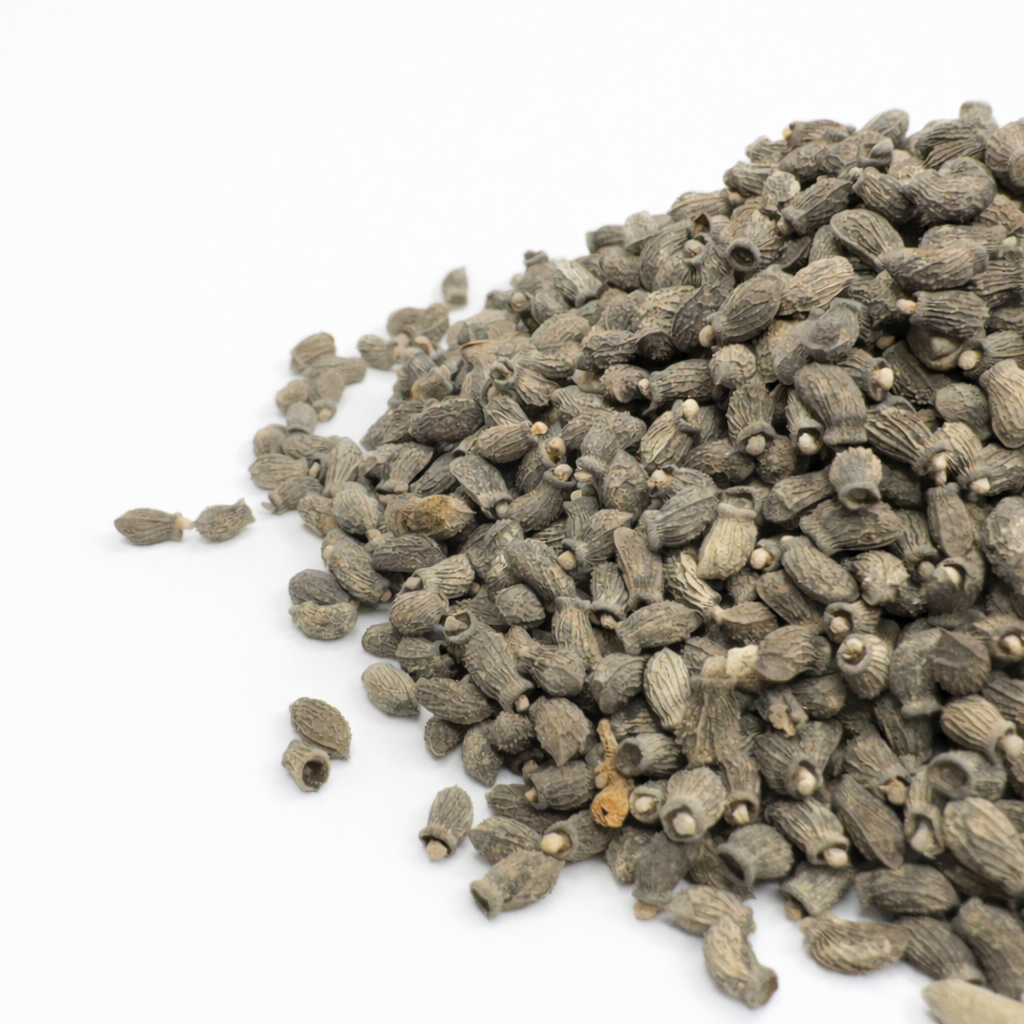
    1. Soak (not required): Borage seeds are somewhat irregularly shaped (little dark, wrinkled nuggets) but they do not need pre-soaking. In fact, soaking might make them slimy and harder to handle. Dry sowing is fine; they'll germinate within a week.
    2. Sowing Medium: Use a standard potting soil or coco coir. Borage microgreens appreciate good drainage. Fill your tray with about 1 inch of moistened medium and level it. Sow the seeds evenly across the surface. Because borage seeds are a bit bigger (~5-6 mm), you can space them slightly - aim for a medium density (around 50 seeds per 10x10 tray, or ~70 g for 10x20 tray). If they're too dense, their thick stems could crowd; if too sparse, yield is low - find a balance (they also don't mind a little space to grow broad leaves). After sprinkling, gently press them into the soil. You can cover them with a very thin layer of soil (~2-3 mm) or just leave them pressed in. They don't strictly need darkness to germinate, but a cover for moisture retention helps initially.
    3. Germination: Cover the tray with a lid or another tray for the first few days to create a humid environment. Borage takes about 4-6 days to germinate under optimal conditions. Keep the temperature around 20-22°C. Check on them daily: because the seeds don't have a mucilaginous coat, they shouldn't clump but they do need consistent moisture. Mist or water lightly if the top starts to dry. You might notice a few seeds swelling and maybe a little white root tip by day 3-4. By day 5 or 6, many should pop. Borage's germination can be a bit staggered; some seeds might sprout a day or two later than others - that's normal. Mold note: Borage seeds have some thickness but generally aren't too mold-prone if not overwatered. Still, ensure there's no standing water. Optionally, you can give the seeds a short "air" period each day like other micros - uncover for 30 minutes to breathe, then cover again - but it's usually not as critical as with nasturtiums or sunflower.
    4. Light & Growth: Once ~75% of the seeds have sprouted (lets say around day 5-6), remove the cover and expose the tray to light. Borage microgreens are a bit sensitive to strong direct sunlight initially. It's recommended to grow them under grow lights or indirect sunlight. If you put them outside in full sun, their tender leaves might wilt or edges may yellow. Indoors, a good LED or fluorescent grow light for 12-16 hours a day works well. Keep the lights a moderate distance (they don't need super intense light like red amaranth does for color - borage is green and will develop fine under normal light levels). Temperature can be moderate; interestingly, borage microgreens can tolerate slightly cooler temperatures and still grow (even down to 15°C), though they'll grow slowly. Cooler grows can sometimes reduce mold risk. Typically, normal room temp is perfect. Watering: Now that they're growing, water preferably from the side or bottom. Borage stems are sturdy but their leaves are soft; try not to soak the foliage. Using a watering can with a spout to water the soil at the edges of the tray works, or simply pour water into the bottom tray if using one. Keep the soil consistently moist - borage has relatively thick roots that drink a fair amount. But avoid overwatering; rare watering is mentioned because they don't like being constantly soggy. Essentially, water thoroughly, then wait until the topsoil starts to dry before watering again.
    5. Blackout note: Some growers keep borage in the dark for 5-6 days initially to encourage stretching. This can help get a bit more stem length. You can experiment: if your first attempt yields very short microgreens, next time extend the blackout by a day or two. But generally, borage will get ~2 inches tall even with a normal schedule.
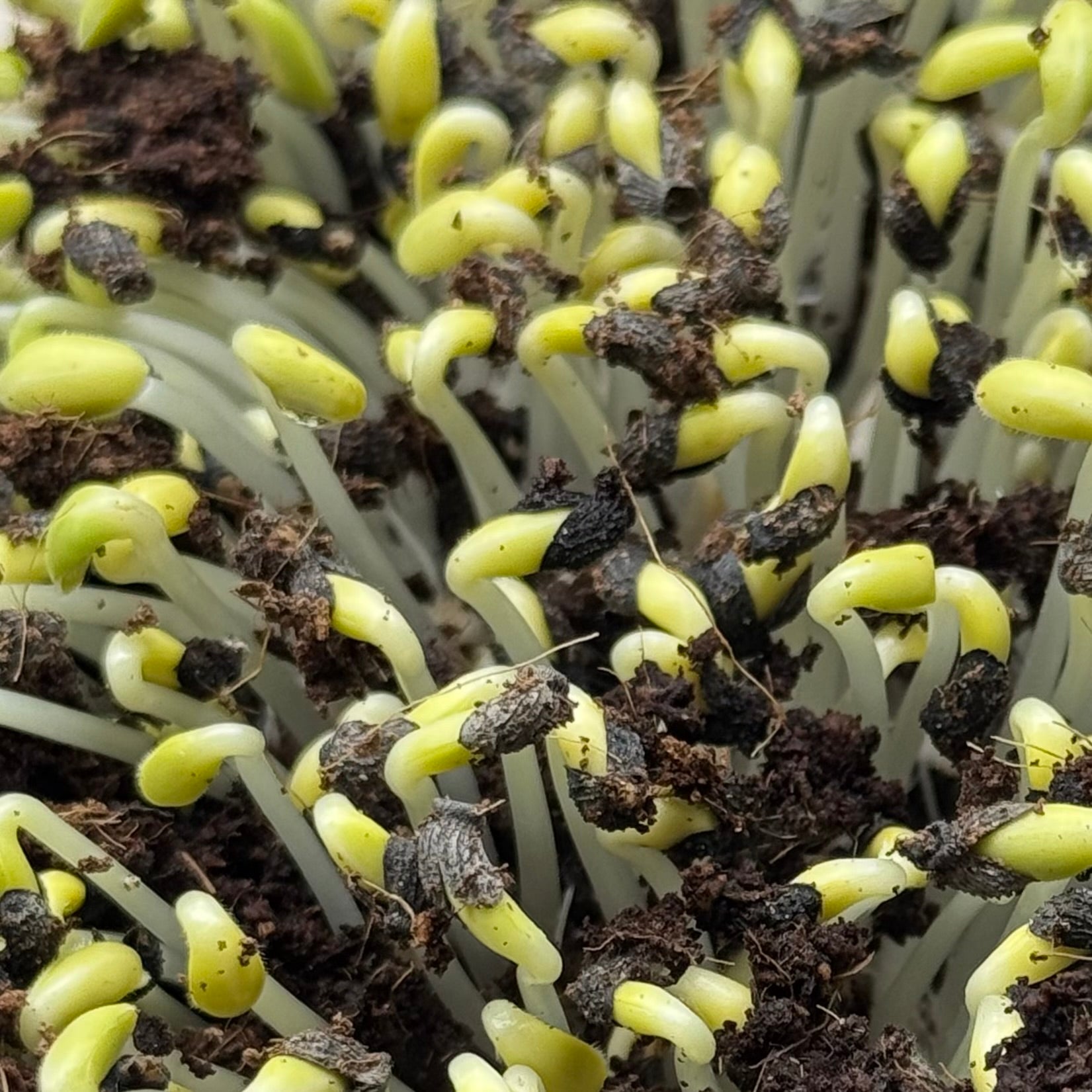
    6. Growth characteristics: You'll notice the microgreens pushing up with two thick cotyledons (seed leaves) that are fleshy and oval. They may have a slight fuzz visible on the leaves. They are a pretty pale green initially, getting a bit deeper green as they bask in light. They tend to grow relatively uniformly. One thing: avoid direct fans blowing on borage during the first few days of growth; because of their hairs, they can dry out faster. It's better to have gentle air circulation in the room, not a fan directly on them until they're a bit bigger. Borage microgreens are medium-height - they won't usually topple, but if you see any leaning, rotate the tray to even out light exposure. Also, note that borage doesn't like too much heat - above 24°C sustained, you might see some wilting or yellowing. Keep them comfortable, not hot.
    7. Harvest timing: Borage microgreens are typically ready by day 10-15 after sowing. A good indicator is when they have fully opened cotyledons and maybe the hint of a first true leaf forming (true leaves of borage are small and hairy; you can harvest before those get big, as cotyledons carry most of the flavor). Size-wise, about 5 cm tall is ideal. If you wait too long (past 3 weeks), they might start to get too hairy and the stems a bit fibrous. So it's better to harvest on time.

    Harvesting: Use scissors or a sharp knife and cut just above the soil. Borage stems are juicy, so you'll feel them crunch as you cut. Try to harvest when the plants are dry (if you watered that day, let them dry out a bit to avoid too much moisture at cutting). Handle gently; while not as delicate as amaranth, they can bruise if smashed. You'll gather handfuls of green leaves on pale crunchy stems. Immediately after harvest, it's good to get them refrigerated if not consuming right away - this locks in their flavor and firmness. They can be stored (unwashed) in a breathable bag or clamshell with a dry paper towel. They generally keep for up to 7 days refrigerated, but best quality is in the first 3-5 days. Washed borage micros tend to degrade faster, so it's recommended to wash right before use, not before storage.

    Borage microgreens - tips & troubleshooting

    My borage microgreens are alive but the leaves look wilted or limp, especially in sunlight. What’s wrong?

    Borage microgreens have fairly high water content and broad leaves, so they can wilt easily if they’re either dry or too hot. If you placed them in direct sun (like outside or in a very bright window) and they wilted, it might be heat stress – borage prefers indirect light as seedlings. They have a “cool” nature like cucumber, so intense heat makes them flustered. Move them to a slightly cooler or shaded spot; they often perk up once out of harsh sun. Also check soil moisture – if they dried out even briefly, they will droop. Give them a drink (bottom-water ideally) and they should recover quickly. Another possibility: they are nearing harvest maturity and might need more frequent water – as they get bigger, their water needs increase. Ensure consistent watering especially as harvest day approaches. Finally, remember that borage has those tiny hairs; in strong sun, these can increase transpiration (like little wicks), causing faster water loss. So environment is key: moderate light, moderate temperature, and adequate water will keep them crisp.

    Do borage microgreens really taste like cucumber?

    Yes! It’s one of the coolest things about them. Most people are amazed at how a little green plant can taste so similar to a cucumber. The microgreens concentrate the same flavor compounds found in borage leaves and flowers. You might notice the cucumber flavor even has a hint of melon-like sweetness. This makes them pretty unique in the microgreen world. If your borage micros tasted bland or grassy, a few things could be at play: harvesting too late (older microgreens might get a hint of bitterness), or perhaps grown in less-than-ideal conditions (flavor can diminish if they grew too slowly or lacked light). Generally though, when harvested fresh and young, they’ll give that refreshing cucumber burst. So, if your first try wasn’t strongly cucumber, give it another shot – maybe harvest a bit earlier. Often, the aroma is unlocked when you lightly crush a leaf – try rubbing one between fingers and smelling/tasting; you should get a clear cucumber scent.

    The leaves have tiny hairs – are they unpleasant to eat?

    Borage’s fuzz is much softer in microgreens stage than in the mature plant. When you eat the microgreens, most people either don’t notice the hairs at all, or describe it as a slight textural contrast (some say it’s like a mild velvety or bristly feel, but not bothersome). In fact, many culinary uses of borage (even adult leaves) involve eating it raw despite the hairs; our tongues adapt to it quickly. If someone is extremely sensitive, an option is to use borage micros chopped or blended (for instance, in a yogurt dip or smoothie) – then the hairs are no issue at all. Also, as mentioned, harvest young: if you let micro borage grow too long, the hairs become more pronounced. At the recommended 10-15 day harvest, they’re very fine. Washing the microgreens can sometimes mat down the hairs too, making them even less noticeable (just dry them well). In summary, don’t be scared of the fuzz – give it a try, most find the cucumber taste far outweighs any slight texture from the hairs.

    My borage seedlings had good germination but then some seedlings seem to rot at the base. What could be causing damping off?

    A few factors could contribute: overwatering is a prime suspect. Borage likes moisture but the soil shouldn’t be swampy. Ensure you have drainage and only water when needed. Poor airflow can also allow fungal growth – even though borage can grow in cooler temps, you still want some air movement around the plants. If you see damping off (seedlings collapsing at soil line, with maybe a brown constricted stem), immediately remove those and adjacent soil if possible. Consider applying a natural fungicide (like a cinnamon sprinkle or chamomile tea spray) as a precaution on the soil surface. Also, sanitation – always use clean trays and fresh soil. Borage seed coats left in the tray can sometimes grow a bit of harmless surface mold; if you see white fuzz on a spent seed husk, pick it out. A preventative trick is after sowing, lightly dust the top of soil with cinnamon powder (a natural antifungal). In future grows, perhaps sow a tad more sparsely to increase airflow between plants. And ensure you’re not keeping them in blackout too long (once sprouted, prolonged darkness + humidity can encourage fungus). The good news: borage isn’t usually as prone to mass damping off as some other micros, but those steps will help mitigate issues.

    Can I get multiple harvests from borage microgreens if I leave them to regrow?

    Generally, microgreens are one-and-done, and borage is no exception. When you cut the stem, it won’t really regrow a second set of leaves worth eating. Borage plants, if grown to maturity, get quite large and branch out – but in a tray, once cut, the energy is gone. If you’re adventurous, you could let some microgreens continue growing instead of harvesting, and they’ll eventually form true leaves and perhaps even small flowers, essentially becoming baby greens. However, at that point (beyond micro stage) the texture will be much hairier and tougher, which isn’t ideal for eating raw. So it’s best to sow fresh if you want more. The good thing is borage microgreens yield a decent amount per tray, especially given their leaf size – so you usually get plenty in one go. If you love them, stagger plantings a week apart to have a continuous supply rather than trying to regrow from one planting.

    Why Choose Deliseeds?

    • Untreated & Non-GMO, Conventional or Organic

      Safe, high-germination seeds. We also offer wide selection of certified organic seeds.

    • Fast EU Shipping

      Orders dispatched within 24h. Delivery times 1-5 working days.

    • 100% Satisfaction Guarantee

      If you're not satisfied - you'll get a replacement or a refund.

    • Expert Support

      We mean it! You get our personnal support to help you succeed.