
Бораго лікарський

Насіння огірочника для мікрозелені

✨Хрусткі мікрозелені з огірковим смаком і соковитими стеблами – «огіркова трава», що освіжає будь-яку страву.

Пріоритетне відправлення протягом 2 робочих днів · Повне відстеження включено

Regular price
€3,95
Regular price
Sale price
€3,95

    Проростання: 4–6 днів до появи паростків; збір врожаю приблизно через 10–15 днів. Помірна швидкість росту – спочатку потребує трохи терпіння, потім росте бурхливо.

    Смак: Яскравий, схожий на огірковий, злегка солодкуватий і освіжаючий. Часто називають «огірковим мікрозеленню» через дивовижну схожість смаку. Листя має ніжну хрусткість і легкий відтінок трав’яної солодкості.

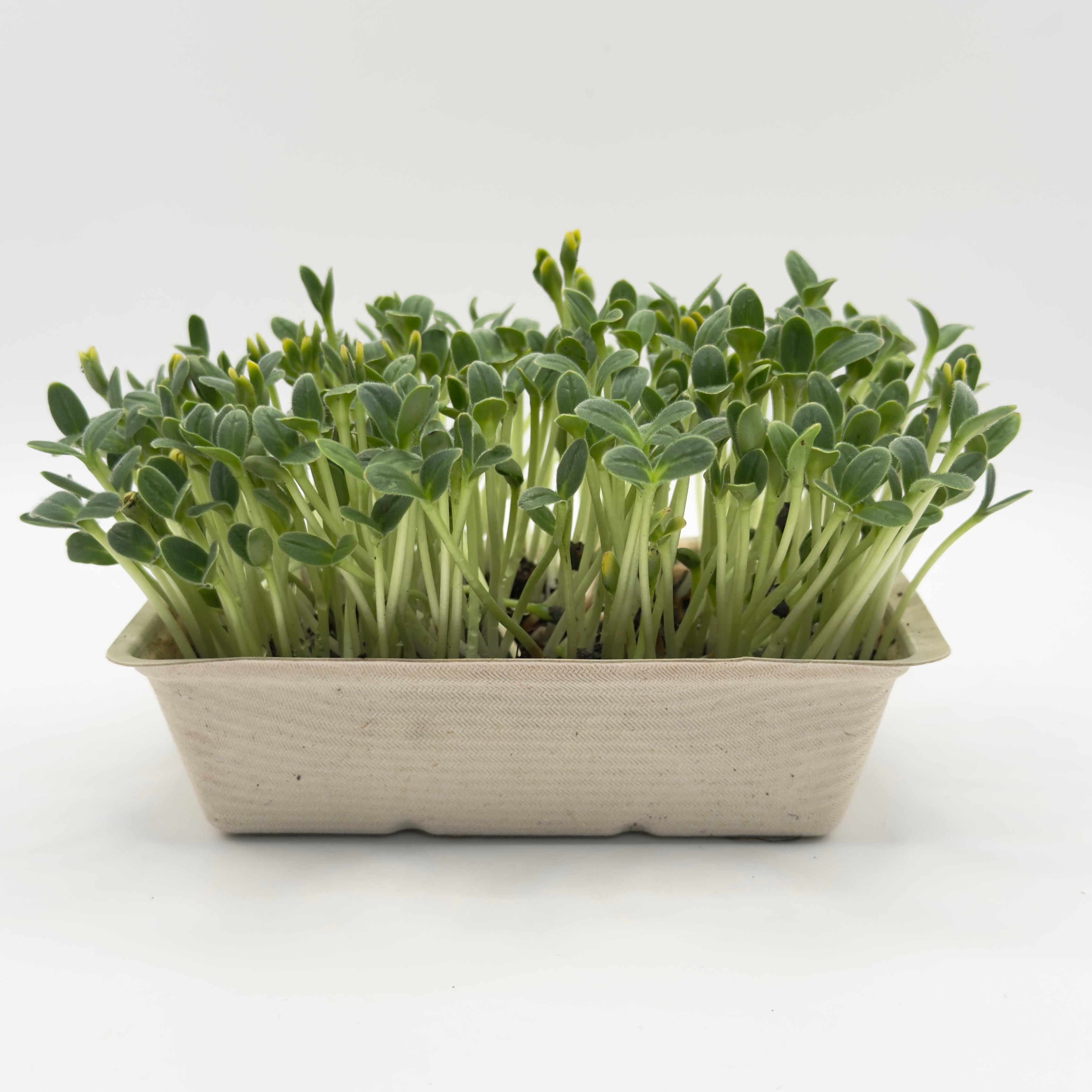
    Текстура та зовнішній вигляд: Світло-зелене, овальне листя, яке на дотик трохи пухнасте (волохате). Стебла соковиті та світло-зелені. Мікробораго схоже на молодий шпинат, але з дрібними волосками – все ще смачне та м’яке у молодому віці. Виростає приблизно 5–7 см заввишки до збирання.

    Кулінарне використання: Використовуйте мікрозелені огіркові листочки огірочника там, де хочете свіжий спалах смаку огірка: у салатах, бутербродах, літніх рулетах або як прикрасу для коктейлів (чудово смакує з джином або лимонадом). Чудово підходить як унікальна зелень для салатів або зверху на холодні супи та йогуртові страви. Їстівні квіти можна вирощувати з тих самих насінин, якщо дати їм дозріти, але на стадії мікрозелені ви отримуєте концентрований смак.

    Харчова цінність: Мікрозелень, багата на вітаміни — особливо багато вітамінів В, С і К, включно з фолієвою кислотою. Містить необхідні мінерали, такі як залізо, кальцій, калій. Огірочна трава також відома вмістом гамма-ліноленової кислоти (омега-6 жирної кислоти) у своїх насінинах; хоча мікрозелень містить менше жиру, вона все одно має антиоксиданти та протизапальні сполуки. Традиційно використовується як лікарська трава для підтримки надниркових залоз і протизапальної дії.

    100% гарантія задоволення

    Ваша задоволеність — наш найвищий пріоритет.

    Якщо щось не так, ми це виправимо — чи то замінимо ваш товар, чи повернемо повну суму. Без зайвих клопотів і труднощів.

    ІНФОРМАЦІЯ ПРО ДОСТАВКУ

    Вартість доставки залежить від ваги та місця призначення. Просто додайте товари до кошика та скористайтеся калькулятором доставки, щоб дізнатися ціну за доставку.
    Насіння огірочника для мікрозелені

    Деталі

    Clean cucumber flavor in a crisp microgreen. Refresh ceviche, salads, and summer drinks.

    FULL SPECIFICATION TABLE

    General information

    Common Name Borage microgreens
    Botanical Name Borago officinalis
    Seed Type Conventional, untreated, non-GMO
    Stem/Leaf Color Light green, slight fuzz; sturdy pale stems
    Flavor & Texture Refreshing cucumber‑like flavor; crisp and juicy
    Seed Count per 10g ~500–550 seeds (≈50–55/g)

    Cultivation data

    Difficulty Medium (slow to germinate)
    Preferred Medium Soil; bottom watering
    Seeding Density (1020 tray) 35 g
    Seeding Density (10x10 cm) 2.71 g
    Expected Yield ≈150–220 g per 1020 tray (open cotyledon)
    Soaking No
    Blackout Days 6–8 days
    Watering, pH & Temp Bottom water; pH ~6.0–6.5; 18–22 °C
    Sprouting Time 8–10 days
    Harvest Time 18–20 days

    Health and nutrition facts

    Vitamins Vitamins C, A, K
    Minerals Potassium
    Notable Compounds Phenolics; aromatic compounds
    Health Benefits Vitamins C, A & K - support immunity, vision/skin health, and normal blood clotting; antioxidants help protect cells from oxidative stress.
    ABOUT

    What are Borage microgreens?

    Borage (Borago officinalis), sometimes known as starflower, is famous for its beautiful blue star-shaped flowers and its distinct cucumber flavor. As microgreens, borage offers a convenient and quick way to enjoy that cucumber taste without having to grow full plants. Borage microgreens have bright green leaves that are oval or spoon-shaped with a slight serration. One hallmark of borage is that the leaves (even as microgreens) have a slight fuzz - tiny hair-like structures. Don't worry, at the microgreen stage these hairs are very fine and entirely edible; they give a "velvety" texture on the tongue rather than a prickly feel. In fact, the stems and leaves are succulent and have a pleasing crunch, making borage micros enjoyable to eat in quantity, not just as a garnish.

    The flavor is remarkably like fresh cucumber, often surprising people who try it for the first time. Imagine biting into a juicy cucumber - that cool, watery, green taste - and that's what a few borage micro leaves will deliver. There's also a subtle sweetness and herbal note, somewhat like a very mild melon or zucchini taste. This makes borage microgreens excellent for adding a refreshing element to dishes. They won't introduce any bitterness or spiciness; instead, they bring a clean flavor.

    Culinary Uses: Given their cucumber profile, borage microgreens pair well with light and creamy flavors. Toss them into a green salad for a natural cucumber hint without actually adding cucumber (great in winter when cucumbers are out of season). They complement dairy very well: try them in a cream cheese sandwich, on top of cream soups, or blended into a yogurt dip (they could elevate a tzatziki by adding extra cucumber note!). Chefs also use borage micros in cocktails and beverages - for example, floating atop a gin and tonic, muddled into a cocktail for herbal nuance, or simply as a pretty green garnish on a lemonade or iced tea (they won't wilt immediately and add aroma). They can be a fun addition to sandwiches and wraps, bringing that crunch and freshness - think of substituting lettuce in a tea sandwich with borage micros for an extra layer of taste. Additionally, they're used in garnishing desserts and fruit bowls occasionally, because their cool flavor can complement fruity and floral desserts (borage flowers are used in sweets, and the microgreens share some of that versatility). If you're into creative cooking, you can also make a borage microgreen sorbet or granita - imagine a cucumber sorbet, the micros would work brilliantly with a bit of lemon and sugar to churn into a frozen palate cleanser.

    Nutrition and Health: Borage has been traditionally valued as a medicinal herb (often taken as an infusion or oil). The microgreens carry some of these healthful components in a raw form. They are a good source of Vitamin C (for immune health) and Vitamin K (for blood clotting and bone health), as well as B vitamins like folate (B9) for DNA synthesis. Minerals such as iron (for blood) and calcium (for bones) are present too. Borage is particularly noted for gamma-linolenic acid (GLA), an omega-6 fatty acid found in its seeds and leaves that has anti-inflammatory effects. In microgreens, the fat content is low, but some GLA might be present in trace amounts, along with other polyphenols and antioxidants. Historically, borage was called the "herb of gladness" because it was thought to improve mood and courage. While we can't promise bravery from a salad, the uplifting aroma and nutritional boost might indeed make you feel good! The microgreens are also hydrating (like cucumber) because they have high water content. One thing to note: borage (like many leafy greens) contains small amounts of pyrrolizidine alkaloids in mature plants which aren't great for the liver in large doses; however, in microgreen stage and normal culinary use, the levels are extremely low and not of concern. Just avoid eating absurd quantities daily. For normal consumption, borage micros are a lovely, healthful addition to your diet.

    GROWING INSTRUCTIONS

    How to grow Borage microgreens?

    Growing borage microgreens is moderately easy - the seeds are larger and not as quick as some microgreens, but they don't require too much special treatment.

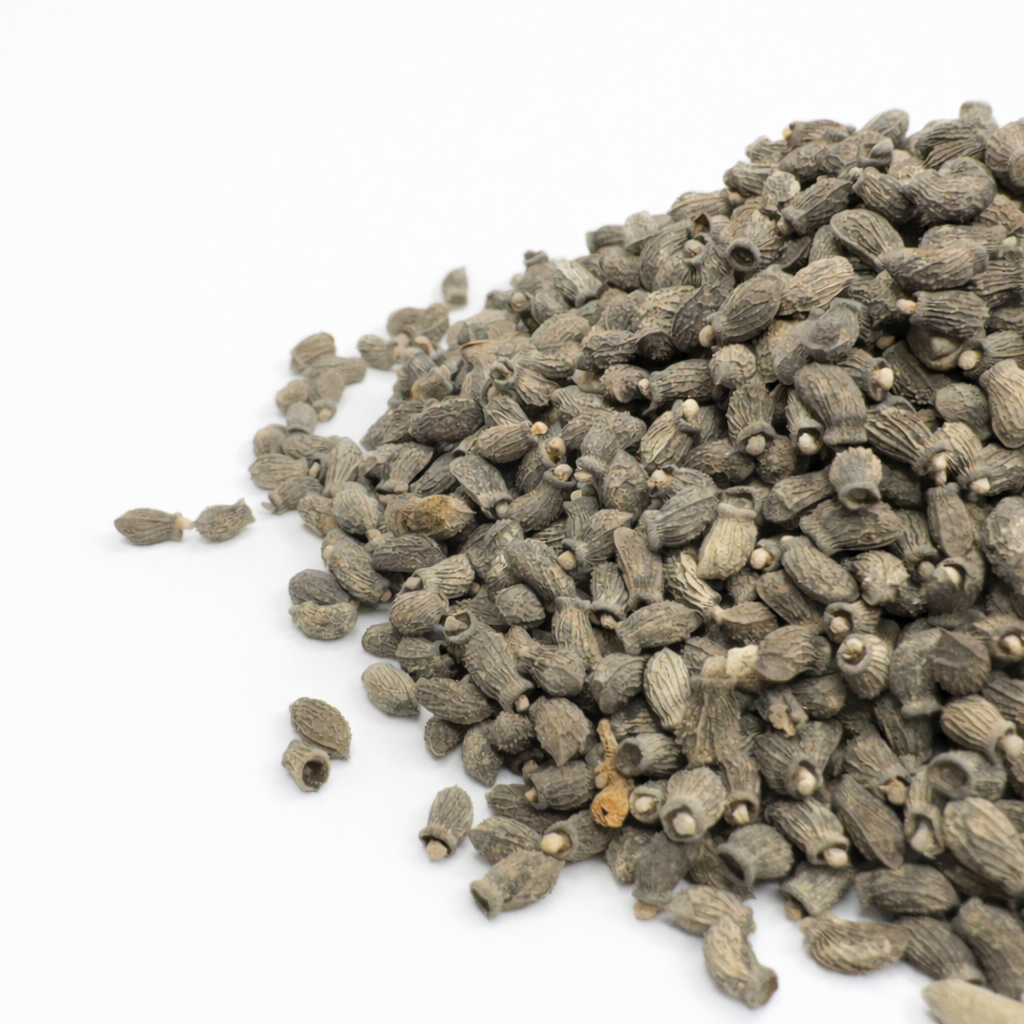
    1. Soak (not required): Borage seeds are somewhat irregularly shaped (little dark, wrinkled nuggets) but they do not need pre-soaking. In fact, soaking might make them slimy and harder to handle. Dry sowing is fine; they'll germinate within a week.
    2. Sowing Medium: Use a standard potting soil or coco coir. Borage microgreens appreciate good drainage. Fill your tray with about 1 inch of moistened medium and level it. Sow the seeds evenly across the surface. Because borage seeds are a bit bigger (~5-6 mm), you can space them slightly - aim for a medium density (around 50 seeds per 10x10 tray, or ~70 g for 10x20 tray). If they're too dense, their thick stems could crowd; if too sparse, yield is low - find a balance (they also don't mind a little space to grow broad leaves). After sprinkling, gently press them into the soil. You can cover them with a very thin layer of soil (~2-3 mm) or just leave them pressed in. They don't strictly need darkness to germinate, but a cover for moisture retention helps initially.
    3. Germination: Cover the tray with a lid or another tray for the first few days to create a humid environment. Borage takes about 4-6 days to germinate under optimal conditions. Keep the temperature around 20-22°C. Check on them daily: because the seeds don't have a mucilaginous coat, they shouldn't clump but they do need consistent moisture. Mist or water lightly if the top starts to dry. You might notice a few seeds swelling and maybe a little white root tip by day 3-4. By day 5 or 6, many should pop. Borage's germination can be a bit staggered; some seeds might sprout a day or two later than others - that's normal. Mold note: Borage seeds have some thickness but generally aren't too mold-prone if not overwatered. Still, ensure there's no standing water. Optionally, you can give the seeds a short "air" period each day like other micros - uncover for 30 minutes to breathe, then cover again - but it's usually not as critical as with nasturtiums or sunflower.
    4. Light & Growth: Once ~75% of the seeds have sprouted (lets say around day 5-6), remove the cover and expose the tray to light. Borage microgreens are a bit sensitive to strong direct sunlight initially. It's recommended to grow them under grow lights or indirect sunlight. If you put them outside in full sun, their tender leaves might wilt or edges may yellow. Indoors, a good LED or fluorescent grow light for 12-16 hours a day works well. Keep the lights a moderate distance (they don't need super intense light like red amaranth does for color - borage is green and will develop fine under normal light levels). Temperature can be moderate; interestingly, borage microgreens can tolerate slightly cooler temperatures and still grow (even down to 15°C), though they'll grow slowly. Cooler grows can sometimes reduce mold risk. Typically, normal room temp is perfect. Watering: Now that they're growing, water preferably from the side or bottom. Borage stems are sturdy but their leaves are soft; try not to soak the foliage. Using a watering can with a spout to water the soil at the edges of the tray works, or simply pour water into the bottom tray if using one. Keep the soil consistently moist - borage has relatively thick roots that drink a fair amount. But avoid overwatering; rare watering is mentioned because they don't like being constantly soggy. Essentially, water thoroughly, then wait until the topsoil starts to dry before watering again.
    5. Blackout note: Some growers keep borage in the dark for 5-6 days initially to encourage stretching. This can help get a bit more stem length. You can experiment: if your first attempt yields very short microgreens, next time extend the blackout by a day or two. But generally, borage will get ~2 inches tall even with a normal schedule.
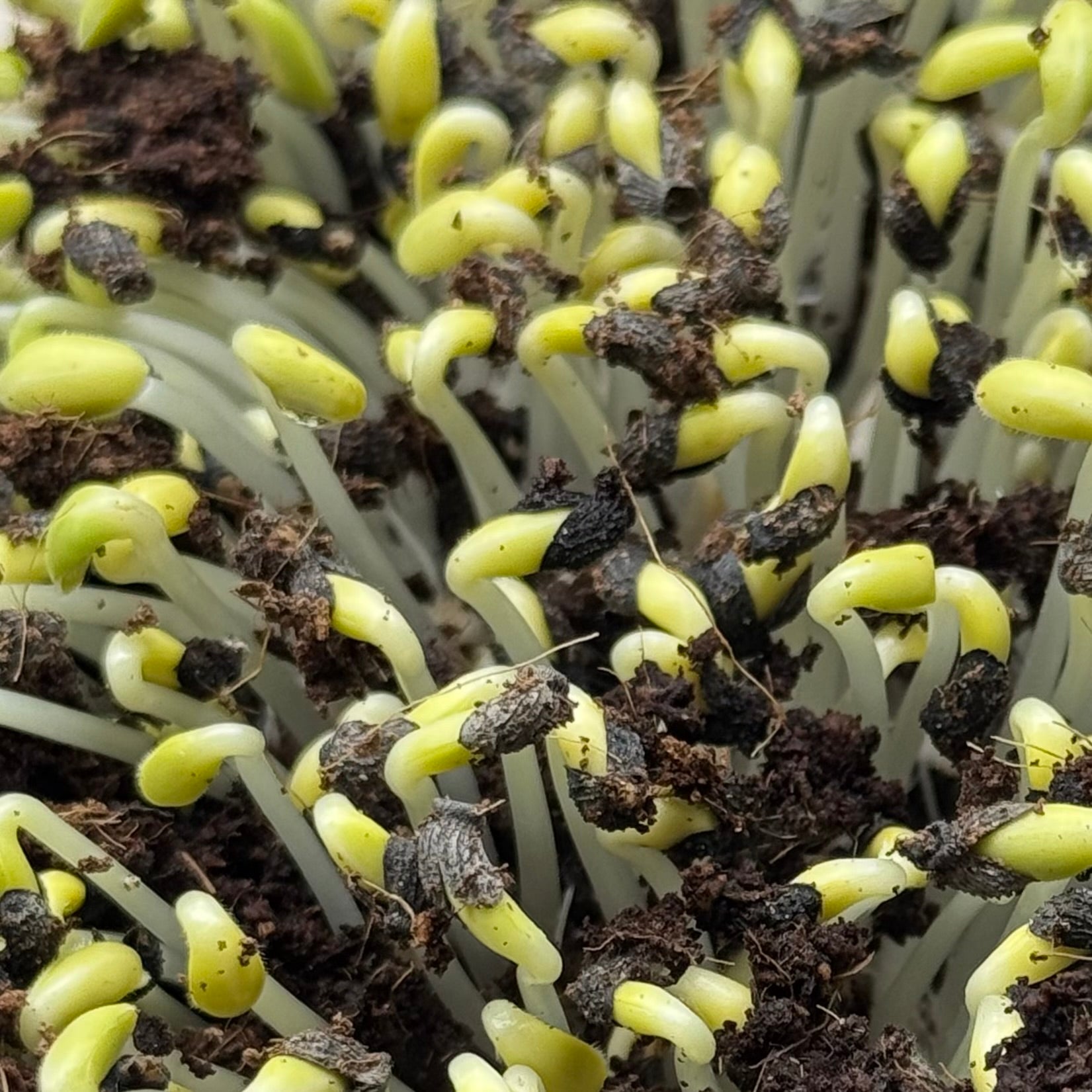
    6. Growth characteristics: You'll notice the microgreens pushing up with two thick cotyledons (seed leaves) that are fleshy and oval. They may have a slight fuzz visible on the leaves. They are a pretty pale green initially, getting a bit deeper green as they bask in light. They tend to grow relatively uniformly. One thing: avoid direct fans blowing on borage during the first few days of growth; because of their hairs, they can dry out faster. It's better to have gentle air circulation in the room, not a fan directly on them until they're a bit bigger. Borage microgreens are medium-height - they won't usually topple, but if you see any leaning, rotate the tray to even out light exposure. Also, note that borage doesn't like too much heat - above 24°C sustained, you might see some wilting or yellowing. Keep them comfortable, not hot.
    7. Harvest timing: Borage microgreens are typically ready by day 10-15 after sowing. A good indicator is when they have fully opened cotyledons and maybe the hint of a first true leaf forming (true leaves of borage are small and hairy; you can harvest before those get big, as cotyledons carry most of the flavor). Size-wise, about 5 cm tall is ideal. If you wait too long (past 3 weeks), they might start to get too hairy and the stems a bit fibrous. So it's better to harvest on time.

    Harvesting: Use scissors or a sharp knife and cut just above the soil. Borage stems are juicy, so you'll feel them crunch as you cut. Try to harvest when the plants are dry (if you watered that day, let them dry out a bit to avoid too much moisture at cutting). Handle gently; while not as delicate as amaranth, they can bruise if smashed. You'll gather handfuls of green leaves on pale crunchy stems. Immediately after harvest, it's good to get them refrigerated if not consuming right away - this locks in their flavor and firmness. They can be stored (unwashed) in a breathable bag or clamshell with a dry paper towel. They generally keep for up to 7 days refrigerated, but best quality is in the first 3-5 days. Washed borage micros tend to degrade faster, so it's recommended to wash right before use, not before storage.

    Мікрозелень огірочника лікарського – поради та усунення несправностей

    Мої мікрозелені огірочника живі, але листя виглядає в’ялішим або млявим, особливо на сонці. У чому справа?

    Мікрозелені огіркові квіти мають досить високий вміст води та широке листя, тому вони можуть легко в’янути, якщо їм бракує вологи або надто спекотно. Якщо ви поставили їх під пряме сонце (наприклад, на вулиці або на дуже яскравому вікні) і вони зав’яли, можливо, це тепловий стрес – огіркові квіти як паростки віддають перевагу розсіяному світлу. Вони мають «прохолодний» характер, як огірок, тому сильна спека їх турбує. Перемістіть їх у трохи прохолодніше або затінене місце; часто вони оживають, коли виходять із палючого сонця. Також перевірте вологість ґрунту – якщо він хоч трохи висох, рослини почнуть в’янути. Полийте їх (краще знизу), і вони швидко відновляться. Ще одна можлива причина: вони наближаються до зрілості і можуть потребувати частішого поливу – з ростом збільшується їхня потреба у воді. Забезпечте постійний полив, особливо ближче до дня збору врожаю. Нарешті, пам’ятайте, що огіркові квіти мають дрібні волоски; на яскравому сонці вони можуть посилювати випаровування (як маленькі гніти), що спричиняє швидшу втрату води. Тож середовище дуже важливе: помірне світло, помірна температура і достатня волога допоможуть їм залишатися свіжими.

    Чи справді мікрозелені огіркові бораго мають смак огірка?

    Так! Це одна з найцікавіших їхніх особливостей. Більшість людей дивуються, як маленька зелена рослина може мати смак, дуже схожий на огірок. Мікрозелені концентрують ті ж смакові сполуки, що й листя та квіти огірочника. Ви можете помітити, що смак огірка має навіть легку нотку солодощі, схожу на диню. Це робить їх досить унікальними у світі мікрозелені. Якщо ваші мікрозелені огірочника здавалися прісними або трав’янистими, може бути кілька причин: збір занадто пізно (старші мікрозелені можуть мати легку гіркоту) або вирощування в неідеальних умовах (смак може зменшитися, якщо вони росли занадто повільно або не вистачало світла). Загалом, коли їх збирають свіжими і молодими, вони дають той освіжаючий вибух смаку огірка. Тож, якщо ваш перший досвід не був яскраво огірковим, спробуйте ще раз — можливо, зберіть трохи раніше. Часто аромат розкривається, коли легенько розчавити листок — спробуйте потерти його між пальцями і понюхати/спробувати; ви повинні відчути чіткий запах огірка.

    Листя має дрібні волоски – чи неприємно їх їсти?

    Пухнастість огірочника на стадії мікрозелені значно м’якша, ніж у дорослої рослини. Коли люди їдять мікрозелені, більшість або зовсім не помічають волоски, або описують їх як легкий текстурний контраст (деякі кажуть, що це нагадує м’яке оксамитове або щетинисте відчуття, але не дратує). Насправді багато кулінарних способів використання огірочника (навіть дорослого листя) передбачають вживання його сирим, незважаючи на волоски; наш язик швидко до них звикає. Якщо хтось дуже чутливий, можна використовувати подрібнені або збиті мікрозелені огірочника (наприклад, у йогуртовому соусі чи смузі) – тоді волоски зовсім не заважають. Також, як уже згадувалося, збирайте молоді рослини: якщо дати мікрозелені огірочника рости занадто довго, волоски стають більш помітними. При рекомендованому зборі через 10-15 днів вони дуже тонкі. Промивання мікрозелені іноді також пригладжує волоски, роблячи їх ще менш помітними (лише добре висушіть). Підсумовуючи, не бійтеся пухнастості – спробуйте, більшість вважає, що смак огірка значно переважає будь-яку легку текстуру від волосків.

    Мої сіянці огірочника добре проросли, але потім деякі сіянці, здається, загнивають біля основи. Що може спричиняти це загнивання?

    Декілька чинників можуть сприяти цьому: надмірний полив — головний підозрюваний. Огірочник любить вологу, але ґрунт не повинен бути болотистим. Переконайтеся, що є дренаж, і поливайте лише за потреби. Погана циркуляція повітря також може сприяти розвитку грибків — хоча огірочник може рости при прохолодних температурах, все ж бажано, щоб навколо рослин був рух повітря. Якщо ви помітили в’янення сіянців (коли вони падають біля поверхні ґрунту, можливо, зі згорнутим коричневим стеблом), негайно видаліть їх разом із прилеглим ґрунтом, якщо це можливо. Розгляньте застосування природного фунгіциду (наприклад, посипання кориці або обприскування настоєм ромашки) як запобіжний захід на поверхні ґрунту. Також важлива чистота — завжди використовуйте чисті лотки та свіжий ґрунт. Оболонки насіння огірочника, що залишилися в лотку, іноді можуть покриватися нешкідливою поверхневою пліснявою; якщо ви бачите білий пушок на порожній оболонці, видаліть його. Запобіжний прийом — після посіву легенько посипати верхній шар ґрунту порошком кориці (природний протигрибковий засіб). У майбутніх посівах, можливо, сійте трохи рідше, щоб покращити циркуляцію повітря між рослинами. І стежте, щоб їх не тримали у темряві занадто довго (після проростання тривала темрява і вологість можуть сприяти розвитку грибків). Добра новина: огірочник зазвичай не так схильний до масового в’янення, як деякі інші мікрозелені, але ці заходи допоможуть уникнути проблем.

    Чи можу я отримати кілька врожаїв мікрозелені огірочника, якщо залишу її для повторного росту?

    Загалом, мікрозелені рослини ростуть лише один раз, і огірочник не є винятком. Коли ви зрізаєте стебло, воно насправді не відростає вдруге з листям, придатним для вживання. Рослини огірочника, якщо їх вирощувати до зрілості, стають досить великими і розгалужуються – але в лотку, після зрізання, енергія вичерпується. Якщо ви любите експерименти, можна дозволити деяким мікрозеленям продовжувати рости замість збору, і вони з часом утворять справжнє листя, а можливо, навіть маленькі квіти, фактично перетворюючись на молоді зелені рослини. Однак на цьому етапі (поза мікростадією) текстура стане значно волосистішою і жорсткішою, що не дуже підходить для вживання у сирому вигляді. Тож найкраще сіяти свіжі насіння, якщо хочете більше. Добре те, що мікрозелені огірочника дають пристойний урожай з одного лотка, особливо враховуючи розмір їх листя – тож зазвичай ви отримуєте достатньо за один раз. Якщо ви їх любите, сійте насіння з інтервалом у тиждень, щоб мати постійний запас, а не намагатися відростити повторно з одного посіву.

    Чому обирають Deliseeds?

    • Необроблені та без ГМО, звичайні або органічні

      Безпечне насіння з високою схожістю. Ми також пропонуємо широкий вибір сертифікованого органічного насіння.

    • Швидка доставка по ЄС

      Замовлення відправляються протягом 24 годин. Термін доставки 1-5 робочих днів.

    • 100% Гарантія Задоволення

      Якщо ви не задоволені - ви отримаєте заміну або повернення коштів.

    • Професійна підтримка

      Ми серйозно! Ви отримуєте нашу особисту підтримку, щоб допомогти вам досягти успіху.