



Tropaeolum nanum
Nasturtium Empress of India - microgreens seeds
✨Spicy nasturtium microgreens with striking reddish hues – a gourmet favorite for heat and color.
- Regular price
-
€1,95 - Regular price
-
- Sale price
-
€1,95
Couldn't load pickup availability
Dark, red-tinged nasturtium microgreens with a bold peppery bite, ready in 14–17 days.
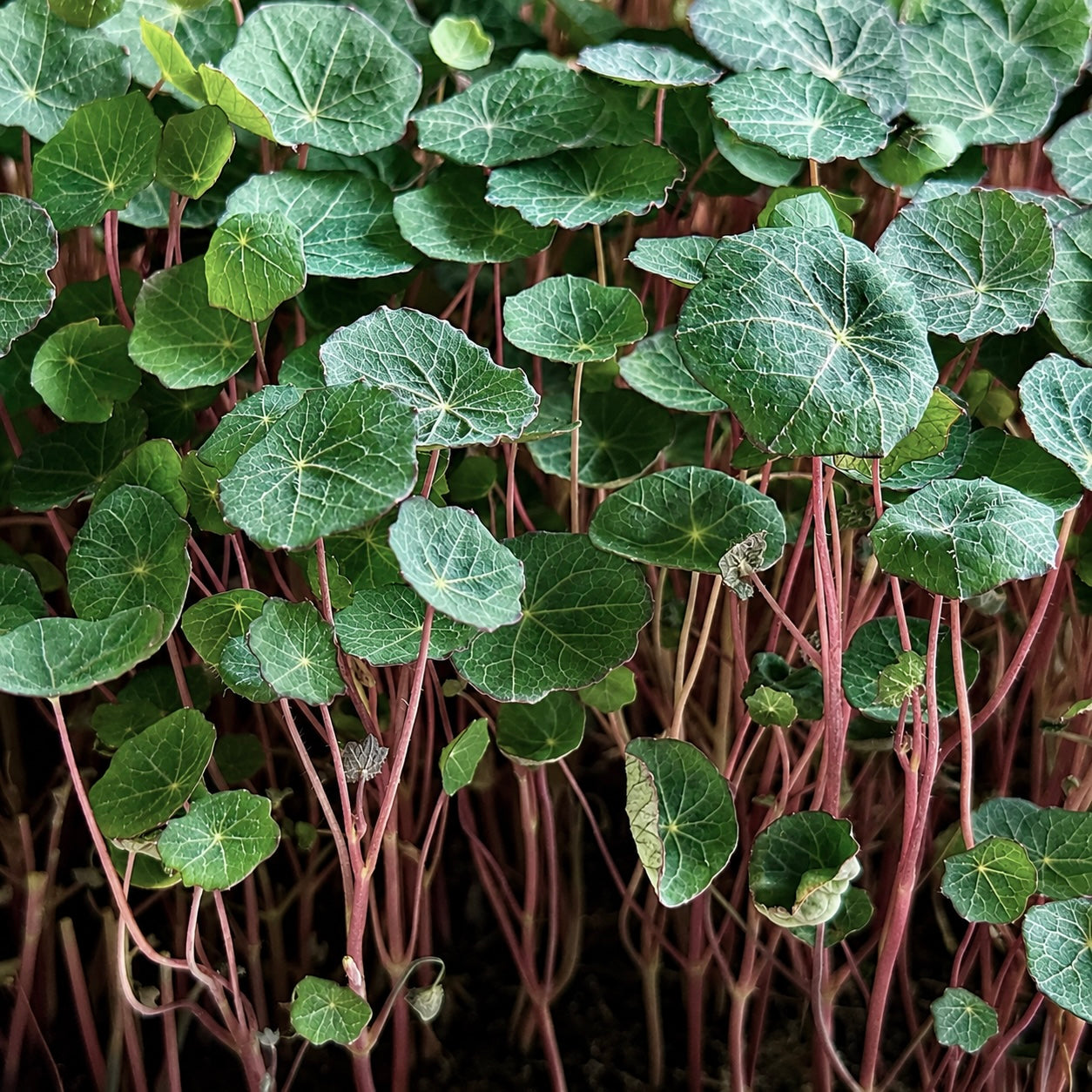
 A striking tray: large, round leaves in dark green with a reddish-purple tint, on pink-red stems.
 From seed to harvest in 14–17 days: soak for 6–8 hours, then 5–7 days covered in the dark.
 Sow 180 g per 25 × 50 cm tray. We checked this rate in our own test trays.
 Bold, peppery heat with a sweet finish. A few leaves lift salads, eggs, cheese and fish.
100% satisfaction guarantee
Your satisfaction is our top priority.
If something's not right, we’ll make it right — whether that means replacing your item or giving you a full refund. No fuss, no hassle.
SHIPPING INFORMATION
Shipping cost is based on weight and destination. Just add products to your cart and use the Shipping Calculator to see the shipping price.



Details
Dark, red-tinged nasturtium microgreens with a bold peppery bite, ready in 14–17 days.
A striking tray: large, round leaves in dark green with a reddish-purple tint, on pink-red stems.
From seed to harvest in 14–17 days: soak for 6–8 hours, then 5–7 days covered in the dark.
Sow 180 g per 25 × 50 cm tray. We checked this rate in our own test trays.
Bold, peppery heat with a sweet finish. A few leaves lift salads, eggs, cheese and fish.
SPECIFICATION
Seed
| Common name | Red-leaved nasturtium microgreens (Empress of India) |
| Botanical name | Tropaeolum majus, dwarf type (also sold as T. nanum) |
| Seed type | Conventional, untreated, non-GMO |
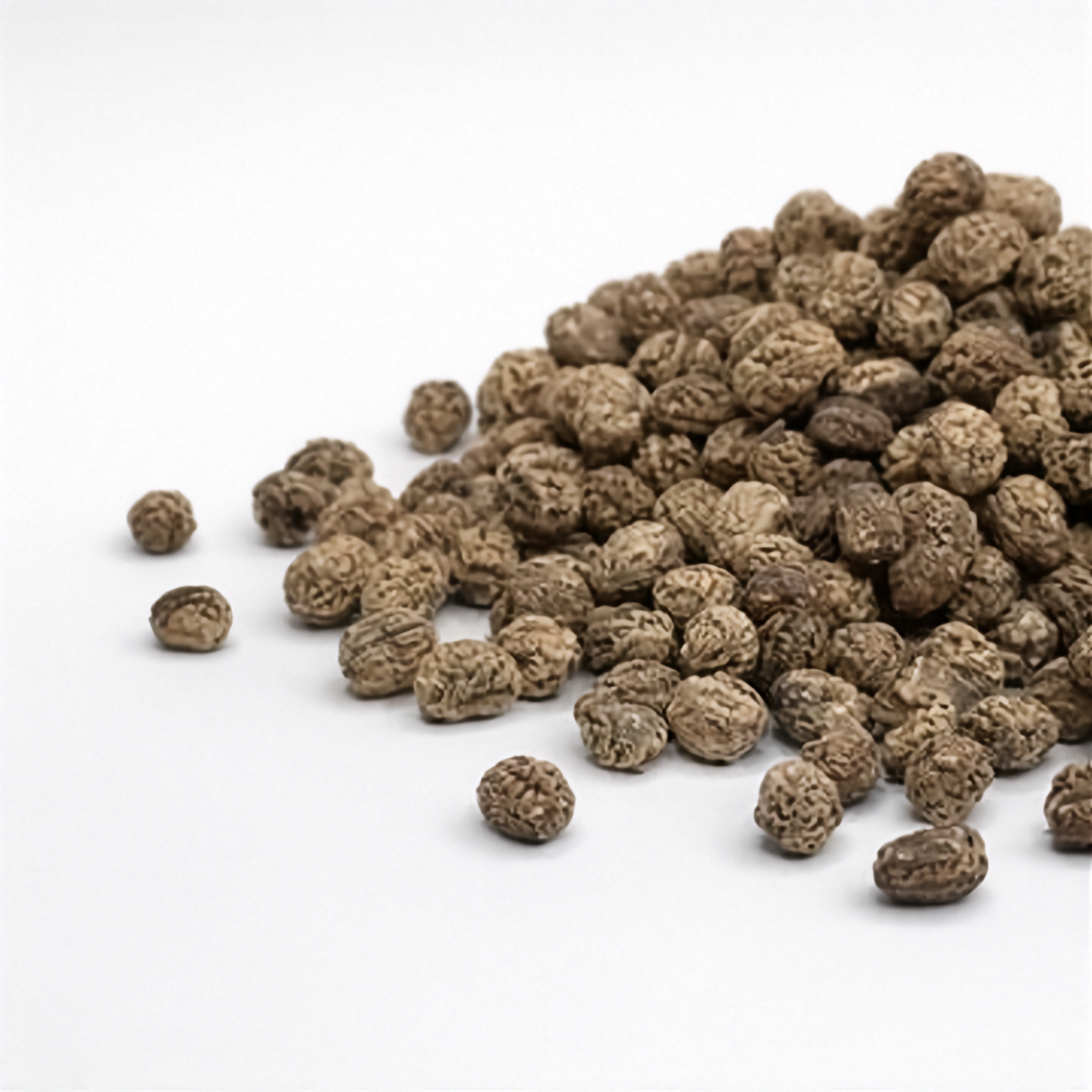
| Seeds per gram | approx. 7.5–8 |
Growing
| Difficulty | Moderate — needs soaking, patience and good airflow |
| Growing medium | Potting soil or fine compost |
| Sowing rate | 180 g per 25 × 50 cm (1020) tray, range 150–200 g; about 14 g per 10 × 10 cm |
| Soaking | 6–8 hours in warm water, then drain and rinse |
| Blackout | 5–7 days under a thin layer of soil and a lightly weighted cover |
| Temperature | 18–22 °C |
| Harvest | 14–17 days after sowing, when the round leaves are fully open |
Taste and colour
| Flavour | Bold, peppery heat with a mild, sweet finish; crisp, juicy stems |
| Colour | Pink-red stems; large, round, dark green leaves with a reddish-purple tint |
ABOUT
Empress of India is a compact garden nasturtium, grown for its unusually dark foliage and deep crimson flowers. As a microgreen it forms large, round leaves in dark green with a reddish-purple tint, held on pink-red stems. Bite into one and you get a bold, peppery heat, close to watercress, followed by a mild sweetness.
The dark leaves are what set this variety apart from green nasturtiums. They look striking on pale food such as risotto, burrata, creamy soups or white fish, and half a tray of Empress of India next to green nasturtium gives a two-tone harvest. Give the tray strong light once the cover comes off: in a dim spot the stems stretch and the colour stays weaker.
Nasturtium needs more patience than most microgreens. The seeds are large, about 8 to the gram, and have a hard coat, so they need a soak and take several days to come up, not all at once. The botanical name Tropaeolum comes from the Greek word for a trophy: Linnaeus is said to have seen shields in the round leaves and helmets in the flowers.
IN THE KITCHEN
Use Empress of India nasturtium raw and add it at the very end. Scatter the dark leaves over goat's cheese or burrata, beetroot salads, carpaccio and tartare, smoked fish, devilled eggs or a pale risotto, or blend a handful into butter or cream cheese for a peppery spread. Keep the leaves dry in a closed box in the fridge and use them within about a week.
GROWING INSTRUCTIONS
Why Choose Deliseeds?
-
Untreated & Non-GMO, Conventional or Organic Safe, high-germination seeds. We also offer wide selection of certified organic seeds.
-
Fast EU Shipping
Orders dispatched within 24h. Delivery times 1-5 working days.
-
100% Satisfaction Guarantee
If you're not satisfied - you'll get a replacement or a refund.
-
Expert Support
We mean it! You get our personnal support to help you succeed.